NonStop Local FOX31 (CO): Montana youth violence prevention: technology's role in safety

By: Isaiah Ruiz

MONTANA – This week marks National Youth Violence Prevention Week, prompting reflection on past incidents in Montana and the pursuit of safer schools for children.

One approach gaining traction is the use of modern technology to enhance safety measures. Mark43, a safety software company, is providing tools aimed at improving response and prevention efforts in Montana schools.

Ganesha Martin, Vice President of Public Policy at Mark43, shared insights into the situation. “It is when an officer hears a call for service, that is accurate and tells them what to expect when they get there,” she said. “It is the officer is able to better de-escalate and show up, for, that.”

Martin highlighted that approximately nine percent of young people in Montana have faced weapon-related threats or harm, emphasizing the need for effective intervention strategies.

Discussing the future, Martin expressed hope for change driven by the current generation. “Your life experience or lived experience drives you,” she said. “We’re just kind of have a whole generation of young people who have lived through this, who, don’t see, you know, guns the same way that older generations do. And I think they’re going to be highly motivated, to do something about it.”

Martin also pointed out that the firsthand experiences of today’s youth, including active shooter drills, may empower them to enact future change. These experiences, she suggested, could lead to efforts that protect schools and ensure the safety of upcoming generations.

Original Story: https://www.montanarightnow.com/missoula/montana-youth-violence-prevention-technologys-role-in-safety/article_534dabfa-bb84-4e58-930a-203fa1ae69c8.html?utm_campaign=12670124-FOX31%20Montana%20Coverage&utm_content=331894100&utm_medium=social&utm_source=linkedin&hss_channel=lcp-3018203

DroneLife: How Integrated Technology Partnerships Are Transforming Police Operations: New Collaboration Aims to Streamline Emergency Response and Crime Prevention

By: Miriam McNabb

Mark43 and Flock Safety Partner to Deliver Integrated Public Safety Solutions

Mark43 and Flock Safety have announced a strategic partnership aimed at transforming how law enforcement agencies access and use technology. By integrating Mark43’s computer-aided dispatch (CAD) and records management system (RMS) with Flock Safety’s license plate recognition (LPR) and video technology, the companies are creating a seamless, interoperable ecosystem for public safety professionals.

Addressing Law Enforcement Challenges

Today’s law enforcement agencies face mounting challenges, including limited resources, staffing shortages, and the need to manage vast amounts of data. These hurdles can slow down investigations and make it difficult for officers to quickly find the information they need. The Mark43 and Flock Safety partnership is designed to address these issues by allowing information to flow smoothly between different systems, reducing manual work and improving access to real-time intelligence.

Real-World Impact for First Responders

The integration is already making a difference for agencies in the field. For example, the Elk Grove Police Department in California reports a 20% increase in efficiency when responding to calls for service since combining their DFR (Drone as First Responder) and CAD systems. Similarly, the Scottsdale Police Department in Arizona has emphasized the importance of integrated technology, noting that data must move freely between platforms to be effective. These improvements mean officers can spend less time navigating multiple systems and more time focusing on public safety.

integrated police technology solutions

Key Benefits of the Integration

  • Unified Workflows: Officers can receive LPR alerts and access images directly within their CAD interface.
  • Enhanced Evidence Management: Live and recorded video can be viewed in RMS property and case management modules.
  • Faster Emergency Response: For agencies using Flock’s Aerodome DFR system, CAD data is automatically incorporated into drone pilot workflows, allowing drones to reach incident scenes more quickly.
  • Improved Security: The integration leverages robust, cloud-native security controls to protect sensitive data as it moves between systems.

A Shift Toward Open, Interoperable Platforms

This partnership highlights a broader industry trend: public safety agencies are increasingly seeking open, interoperable platforms that allow for seamless integration between different technologies. Open APIs and cloud-native solutions are becoming essential, enabling agencies to select the best tools for their needs and adapt as technology evolves. This shift helps break down data silos, supports better decision-making, and ensures that agencies can future-proof their technology investments.

“We’re looking for partners that understand the value of open API systems,” said Elk Grove PD Lieutenant Nate Lange. “If a vendor isn’t willing to share and create open ecosystems, it shows they aren’t confident in their product. Mark43 and Flock Safety not only have great products, but they believe in their technology and are committed to improving public safety and supporting officers by enabling this integration. In public safety, vendors should all want the same end goal of keeping our officers and community safe.”  

Original Story: https://dronelife.com/2025/04/29/integrated-tech-partnership-enhances-police-response/

Mark43 and Flock Safety Announce Partnership to Seamlessly Integrate Crime-Fighting Solutions, Supporting Safer Communities

NEW YORK – April 29, 2025 – Today, Mark43 and Flock Safety announced an official partnership, bringing two leading public safety platforms together in furtherance of their commitment to fostering an open technology ecosystem for law enforcement. This strategic partnership will empower Flock and Mark43 shared customers to leverage best-in-class technologies to work faster, smarter, and keep first responders and their communities safer.  

Law enforcement agencies face resource constraints, a hiring crisis, and a deluge of data, making it difficult to surface the evidence and insights they need to solve crime quickly. To ensure seamless transfer of data and open communication across platforms, officers need an integrated public safety ecosystem. 

“First responders are being asked to do more with less — and that requires stronger collaboration between technology providers and public safety agencies,” said Bob Hughes, CEO of Mark43. “That’s why we built an open platform designed for seamless integration. Our partnership with Flock Safety reflects this, enabling real-time data sharing and faster, smarter response—keeping communities safer and agencies more efficient. Together, we’re helping departments streamline operations and enhance situational awareness—delivering a clear return on investment.” 

This partnership allows agencies to combine core systems of record like Mark43’s computer-aided dispatch (CAD) and records management system (RMS) data with Flock’s license plate reader (LPR) and video technology, ensuring they are all accessible in Flock’s Real-Time Crime Center (RTCC) platform, FlockOS. Built on a cloud-native foundation, Mark43 provides robust security controls at every layer of the platform, ensuring that mission-critical data is protected as it flows across integrated systems. 

Officers can access Flock LPR data and alerts directly in their CAD workflow and view LPR images and live and recorded video in RMS property and case management. Additionally, live CAD and RMS data are integrated into FlockOS.  

Agencies like Scottsdale Police Department in Arizona are already taking advantage of the platform integration.  

“As an agency with multi-layered technology systems, the ability to integrate platforms is one of your strongest assets,” said Scottsdale’s Assistant Chief Richard Slavin. “The ease of combining our existing technology like Flock seamlessly into the Mark43 technology was a key factor in moving forward. Even if you have a great product, if it works in a silo, we’re not interested. We need our data to flow.” 

For agencies that use the Flock Aerodome Drone as First Responder (DFR) system, the integration brings CAD data automatically into a drone pilot’s workflow, enabling them to move even faster and reach the scene of an emergency within seconds.  

Elk Grove Police Department in California says the integration between their DFR and CAD system has led to a roughly 20% efficiency increase when responding to calls for service.  

“We’re looking for partners that understand the value of open API systems,” said Elk Grove PD Lieutenant Nate Lange. “If a vendor isn’t willing to share and create open ecosystems, it shows they aren’t confident in their product. Mark43 and Flock Safety not only have great products, but they believe in their technology and are committed to improving public safety and supporting officers by enabling this integration. In public safety, vendors should all want the same end goal of keeping our officers and community safe.”  

Law enforcement agencies can look forward to additional capabilities as the technology partnership continues to develop. 

“Flock Safety is proud to partner with Mark43 to bring even greater value to the agencies we serve,” said Garrett Langley, Co-Founder and CEO of Flock Safety. “When we made our core APIs available at no additional cost, we made it easier than ever for law enforcement agencies to access real-time intelligence — without compromising on vendor choice, security, data integrity, or retention standards. This collaboration unlocks powerful insights that help officers make faster, more informed decisions.”

About Flock Safety 

Flock Safety is the leading safety technology platform, helping communities thrive by taking a proactive approach to crime prevention and security. Our end-to-end hardware and software suite unites cities, law enforcement, businesses, schools, and neighborhoods in a nationwide public-private safety network. Flock is trusted by more than 5,000 communities, 4,800 law enforcement agencies, and 1,000 businesses to deliver real-time intelligence while upholding the highest standards of privacy, data integrity, and responsible innovation. Visit www.flocksafety.com for more info. 

The Fast Mode: How to Strengthen Cybersecurity in Public Safety and Prevent Downtime

Medics in front of ambulance talking to headquarters using radio communication

By: Lawrence F. Zorio III, CISO at Mark43

In today’s quickly changing technology landscape, public safety agencies are more at risk of cybersecurity attacks than ever before. There have been more than 1,000 cyberattacks on public safety and government offices in the last two years from ransomware, malware and DDoS attacks and a recent survey of law enforcement professionals found that 84% experienced a cybersecurity issue at their agency in the last year alone. While larger public safety agencies often have cybersecurity systems in place, many small and midsize agencies don’t have the resources to implement security measures themselves or haven’t taken steps to work with third parties that can do so.

A cyberattack on a public safety agency’s operation is devastating and can hinder its ability to serve and protect its community. When ransomware attacks happen and systems go down, agencies must switch to pen and paper for emergency dispatch and report writing. This can have devastating effects on the deployment of ambulances, police and fire calls for service. Law enforcement must be accessible in real time and any barrier to that is an attack on the entire community it serves. Another risk is access to private data. Public safety agencies have a large volume of private information about individuals — including name, birth date, social security number and arrest details — which, if compromised, can be extremely damaging for the department and community members. Finally, a breach harms public trust in an agency, its officers and the future handling of data.

Fortunately, public safety agencies can fortify themselves in a number of ways. Proactive measures include building a long-term cybersecurity strategy inclusive of premier encryption, antivirus and anti-malware software and comprehensive data backup systems. Increasingly as important, shaping and fostering a strong culture of cybersecurity awareness, agencies can substantially increase their defenses and reduce their risk. 

As a first step, agencies should adopt a cybersecurity framework to guide their actions. The National Institute of Standards and Technology (NIST) Cybersecurity Framework is a widely accepted set of guidelines to shield against cyber threats. The framework includes initiatives such as: identifying assets and risks; protecting via technical and physical security measures; detecting threats and breaches; creating plans for responding to incidents; and preparing recovery plans in the event of a breach. The benefit of this framework for public safety agencies is that it maps to existing Criminal Justice Information Services (CJIS) requirements and can help identify gaps and build both a short and long-term cybersecurity strategy. Then over time, agencies can start to fill in gaps in their plan. These areas could include authentication and access management, malware and antivirus applications and cybersecurity training for staff. At a tactical level, agencies can also leverage cloud native technologies and respective vendors, to help manage and own a number of these routine tasks, such as automatic backups, vulnerability testing, penetration testing and so on. 

Once a framework is established, it’s important to protect critical infrastructure and sensitive data. One fundamental action that agencies can take is to use strong encryption protocols for all devices and endpoints such as laptops, desktops, mobile phones and patrol car systems—which can be turned on relatively easily. In addition, both stored data on devices and servers, also known as encryption “at rest”, along with data moving across networks and the internet, or encryption “in transit”, should be encrypted. All vendors that agencies use should have encryption and can help ensure encryption across an agency.

It’s not a question of if, but when a cybersecurity incident or downtime will occur so it’s important to have a thoughtful backup strategy. This is often overlooked because it’s not seen as exciting or urgent but being prepared can make a significant difference. Therefore, agencies should have strong data backup plans which include frequent, automated backups. This ensures that in the event of an incident, agencies can restore quickly, and downtime and data loss can be limited. Manual backups can be very labor intensive, so agencies should consider cloud-native technology providers, since they include automated backup and recovery tools in their systems.

Just as agencies often conduct public safety emergency drills, they should also implement regular “tabletop exercises” to practice data restoration in preparation for cybersecurity emergencies. This proactive approach ensures that your team can restore systems swiftly and systematically across various scenarios, identify which systems should be prioritized, and determine the appropriate contacts for each scenario.

Technology alone cannot solve the threats facing public safety agencies today. Social engineering or other AI-based targeted attacks are also a serious concern. To address this, agencies should not only equip all personal or work devices with malware and antivirus protections but should prioritize security training throughout their organizations. Building strong awareness through training—beyond CJIS-required training—is critical. This includes live or virtual presentations or webinars, ideally in the form of hands-on training for the best results. Topics include email and text message phishing attacks, as well as recognized signs of AI-driven attacks—common and dangerous methods of cyber intrusion. Additionally, make training personally relevant to the real lives of personnel. When training connects with an individual’s personal situation, it resonates more deeply and becomes memorable.

The consequences of prolonged downtime due to cybersecurity attacks can extend for weeks, leading to significant economic impacts. This disruption can affect not just public safety operations but also critical systems such as payroll, budgeting tools, staff scheduling, dispatch and overtime management. Investing in cybersecurity protection not only prevents potential multimillion-dollar losses but also safeguards the reputation and public trust of a public safety agency.

Cybersecurity incidents are not just an IT issue, they’re a threat to public safety. Public safety agencies should handle cybersecurity as they would manage other life-saving investments. By taking proactive steps, agencies can ensure that their systems, data and operations run smoothly, and they can focus on their critical mission of keeping their communities safe.

Original Story: https://www.thefastmode.com/expert-opinion/41323-how-to-strengthen-cybersecurity-in-public-safety-and-prevent-downtime

The AI Journal: From Response to Reports: How AI is Reshaping Public Safety Operations

By: Wendy Gilbert, SVP of Product at Mark43

The tremendous advances of generative AI have resulted in increasing adoption across a number of sectors and use cases. One of the most impactful real-world uses of AI is in public safety. As AI adoption in public safety continues to emerge and expand rapidly, this is an especially exciting time to explore how it’s enhancing a faster, smarter, and safer public safety system.

A recent study revealed that 87% of law enforcement believe that AI is transforming their industry for the better, and 65% of law enforcement believe that AI will help them be more productive and efficient. And many are already using it every day in their jobs—70% of law enforcement stated AI has already helped them be more efficient within their role. With its ability to enhance speed, accuracy, and decision-making, AI presents transformative possibilities for public safety officials. It can also serve as a powerful force multiplier, helping agencies overcome challenges like understaffing and resource constraints.

Public safety agencies face numerous challenges that AI can address in a safe and cost-effective manner. Many agencies are trying to manage a mountain of time-consuming administrative and clerical tasks, which take time away from the critical work of spending time on the street and interacting directly with the public. For report writing, AI helps officers with identifying key facts and points to be included, structuring narratives, preparing drafts and creating summaries. In addition, AI can include key data points in the correct spots — without officers having to manually search, find and enter them.

Data management

Data management is increasingly critical for public safety agencies due to the growing volume and complexity of data that they collect. Agencies need to manage this data accurately and securely to support quick responses and strong decision-making. Some critical areas of data management include entity matching, resolution and deduplication – which ensure that an agency’s system can accurately identify matches for people, locations, vehicles and properties.

Matching algorithms can make recommendations to records personnel to resolve or merge records. This staff previously would have gone through a time-consuming and manual process to review the data and do this work. This AI use has clear benefits for informing the emergency response and solving crime. It also helps agencies dealing with understaffing who are trying to manage a large volume of data.

Case investigation

Case investigation faces specific challenges with vast amounts of digital data. Investigators and sergeants responsible for making a case typically need to quickly and efficiently read and analyze a broad and deep amount of information for a case, such as the 911 call, CAD data, interviews, reports, phone records, emails, public records, video and social media. This data can often be scattered and fragmented across different locations and in varied formats.

To assist, AI analyzes a range of data and summarizes key events and facts that are most relevant to a case. This can streamline investigators’ workflow, move investigations forward faster and speed the assigning of cases with a clear overview of critical details, while also enabling investigators to quickly dive deeper as needed.

CAD 

For computer-aided dispatch (CAD), 911 call handling and CAD event management, agencies face a large volume of calls as well as the need to process a growing amount of data while also responding quickly to the public. Speed is one of the major strengths of AI, and AI can have a major impact by triaging non-emergency calls. Many agencies have a telephone line for non-emergency calls — such as a 311. AI ensures that information is transcribed, key details are identified and that calls are streamlined if the caller needs immediate assistance for an emergency and that relevant information is available for agencies to respond quickly.

As a result of this use of AI in administration, data management, investigations and call handling, agencies can better manage their workflow while addressing the issue of understaffing. AI acts as a force multiplier so agencies can do more with less and be as productive and accurate as possible with their existing resources.

Guardrails

Of course, adopting AI needs to be done responsibly and safely. To do this, agencies should adopt clear policies so that employees understand what they can and can’t do with AI on their own, as individuals and as employees — as well as when to include data in AI systems and when to keep it out. For example, sensitive data that shouldn’t be included should be handled appropriately.

A good way to start with AI is a lower-risk approach, for example, by using factual data that already exists and using AI to summarize events, reports and cases to inform action plans and investigations. Humans should be involved in any decision — so that you always have a human in the loop and AI is at most suggesting, rather than making critical decisions.

Conclusion

The future of AI in public safety is unknown—and that’s what’s thrilling. So much of what can slow public safety and law enforcement agencies down is often just having the manpower available to do it. But AI offers safe, responsible ways for public safety agencies to maximize their productivity, while providing informed analysis and data to make the best decisions. There has been much discussion in the technology industry about AI agents and what they will do, but in public safety, AI agents offer real-world impact.

AI agents will work in the background to surface important information to help officers do their jobs better, which will make communities safer. Just as AI has made a major impact on the consumer market with ChatGPT and other products, its potential to transform public safety is limitless. We all want safer communities. Leveraging technology is one of the fastest ways to help us get there.

Original Story: https://aijourn.com/from-response-to-reports-how-ai-is-reshaping-public-safety-operations/

Forbes: How Tech Can Help Fix America's Public Safety Perception Problem

By: Matthew Polega

Matt Polega is a cofounder and president at Mark43, a leading cloud-based public safety software company.

America has a crime perception problem, but it’s not what you think.

The public understanding of public safety trends is often skewed. An October 2024 Gallup poll found that about two-thirds of surveyed Americans believed crime had increased in the past year and that about a quarter of those respondents believed crime was an “extremely” serious problem, but the data tells a different story. While every crime is devastating to those impacted, their loved ones and their community, major crime rates have decreased.

The Perception Gap In Public Safety

Many Americans may not be aware of law enforcement efforts, from the federal government to their local public safety agency, aimed at supporting safer communities and preventing crime. For example, at the federal level, the U.S. government’s American Rescue Plan has committed $15 billion of direct investment back to public safety agencies and violence prevention initiatives, resulting in many specific ways local agencies have driven crime prevention programs to keep their constituents safe.

If people aren’t aware of these targeted investments, they may feel less safe—even when crime rates are dropping and strategic initiatives are in place. For public safety agencies, perception is not an abstract challenge; instead, it directly impacts how their community members feel about their sense of safety in their communities. It’s also increasingly important for agencies to leverage and share real-time data insights and intelligence from their public safety technology with the public for enhanced transparency, trust and accountability.

Public safety agencies face another challenge: shrinking budgets and staffing shortages. Many safety agencies are forced to cut programs and reduce the size of recruit classes—resulting in staffing issues. This can impact emergency response times, reduce visibility of officers in the community, wear down first responders and impact how safe residents feel.

Leveraging Modern Technology For Improved Transparency And Public Trust

Real obstacles exist, but smart investment in modern technology can help solve them by providing efficiency gains to mitigate stretched headcount and resource allocation.

Front and center to this are cloud-native public safety solutions. While the finance and healthcare industries are embracing cloud-native solutions, law enforcement has not been as quick to evolve. However, just as healthcare underwent an evidence-based transformation in the 1980s, public safety is now embracing data as a foundational tool in modernizing operations and improving how agencies protect and serve communities.

Cloud-native, data-driven tools can save officers time so they can spend less time doing paperwork and more time in communities. Modern policing is not about guns and handcuffs; it’s about timely, accurate data. Next-gen, cloud-native technology can collate data to guide decision-making, pattern detection and crime fighting, which can enhance situational awareness in the field and proactive community response.

This modern use and investment in cloud-native technology can also help public safety agencies mitigate budget challenges by serving as a force multiplier. By reducing the time that officers spend on paperwork, streamlining workflows and reducing duplication, agencies can save up to half of an officer’s shift every day. Cloud-native technology can also improve community visibility by increasing officer time in the field.

We worked with the Bethlehem Police Department in Pennsylvania, which serves 100,000 residents, as it faced operational challenges with its legacy records management system (RMS), the software solution managing and storing essential data for police operations. Officers and supervisors often spent half of their shifts on administrative tasks and report writing at their desks rather than in the field. The department implemented our cloud-native RMS, which resulted in officers and supervisors regaining 50% of their shift time so they could dedicate more time to community engagement and solving crimes.

Debunking Misconceptions And Building Public Support For Modern Technology

Despite the benefits of modern technology, several misconceptions hinder its widespread adoption and acceptance—both within agencies and among the public.

One common misconception is that agencies must bear the full cost of these technologies, potentially diverting funds from other important initiatives. In reality, state and federal grants are often available to support technology upgrades.

Another prevalent misconception is that public safety agencies are particularly resistant to adopting AI-powered technology to improve efficiency. However, a December 2024 survey we conducted found that about 87% of “law enforcement believe AI is transforming the public safety industry for the better,” and 65% of respondents “say it would help them be more productive and efficient.”

For true progress and lasting change, public safety agencies need more public support for these approaches and investments. To develop this, tech companies and agencies can be accountability partners to show the real benefits of technology on community safety. This can include companies enabling their government partners or customers to share data and information at public meetings, as well as sharing information with stakeholders through easily accessible online dashboards.

In addition, the grant writing process for public safety agencies requires accurate and up-to-date data on crime statistics, calls for service, response times and more. Modern technology can capture and report this data.

Conclusion

For agencies to embrace modern technology solutions, they need public support. Fortunately, technology can help public safety agencies tell their story and build trust within their communities. With a wealth of good data, agencies can show where challenges are and how operational choices have deterred crime and improved public safety outcomes.

Each day, public safety officials put on their uniform and accept the risk that comes with this noble profession, and the least we can do for our first responders is deliver the best technology. I believe modern technology isn’t just an upgrade; it’s essential.

Public safety agencies impact us all every day, though we generally don’t know it. Crime rates are important, and so is perception. Technology can improve both.

Original Story: https://www.forbes.com/councils/forbestechcouncil/2025/04/15/how-tech-can-help-fix-americas-public-safety-perception-problem/

Enterprise Security Tech: How AI Is Transforming Law Enforcement: Insights from Mark43’s Wendy Gilbert

As AI reshapes industries across the board, law enforcement is emerging as a surprising early adopter. We sat down with Wendy Gilbert, SVP of Product at Mark43, to learn how AI is transforming public safety—from accelerating report writing to improving emergency response—and what’s needed to ensure trust and responsible implementation:

Mark43 data shows overwhelming support for AI among law enforcement professionals. What are the primary use cases where AI is making the biggest impact today, and how do you see that evolving in the next five years?    

Law enforcement professionals have shown strong support for AI use because they are seeing real results. Using AI, officials can increase speed, accuracy and improve decision making. Many agencies face staffing shortages and officers spend an increasing amount of time on administrative and clerical tasks, which pulls officers away from time spent in their communities. One example of such a task is using AI to assist law enforcement professionals in drafting reports, by identifying key facts and helping prepare drafts or structure narratives. AI also ensures that key data points are included in reports and placed in the correct spots, without officers having to manually search, find and enter them. This increased speed gets officers back into the field faster.  

In data management, law enforcement agencies ingest and interact with a wide range of data. AI can perform important deduplication, redaction and entity resolution and matching actions to ensure users can accurately identify people, locations, vehicles and properties. This improves the previous time-consuming manual processes and aids with better informed emergency response and crime solving.  

In Emergency Communications, AI can assist with call triage and the identification of non-emergency calls. This can reduce the number of calls that call takers, dispatchers and officers respond to, enabling greater focus and time spent on priority events.  

This will continue to evolve as AI agents assist humans by gathering the most relevant information for a case and presenting it in an easily digestible format for investigative review. This will allow investigators to access critical information more quickly, leading to faster crime-solving. The potential is vast—it’s an exciting time in public safety technology. 

While AI offers efficiency and crime reduction benefits, it also raises concerns around privacy, bias, and decision-making transparency. How can public safety agencies ensure responsible AI implementation while maintaining public trust?  

It is important that public safety agencies adopt AI responsibly and safely. Agencies should establish clear policies so that employees understand what they can and cannot do with AI on their own, as individuals and as employees. They also should know when to include data in AI systems and when not to. For example, sensitive or private data that should not be included must be handled appropriately.  

One way to begin implementing AI is with a lower-risk initial plan. Agencies can use AI to gather factual data and summarize reports using existing text, cases or CAD events, enabling officers to access information faster, distill and digest it, and ultimately respond more efficiently. Humans should always be involved in decision-making so that AI is at most suggesting rather than making critical decisions.  

In addition, public AI tools like ChatGPT should not be used for law enforcement data due to security and privacy risks. Agencies need purpose-built AI solutions from trusted partners to ensure compliance, data protection, and full control over sensitive information. 

With 65% of law enforcement believing AI can improve productivity, what are some real-world examples of how AI is enhancing operational efficiency, response times, and resource allocation for first responders?    

In addition to the examples mentioned above, in case investigations, AI can help by summarizing key events and facts for investigators who are sorting through a broad and deep amount of information. This can speed up investigations and aid with assigning cases with a clear overview of critical details.  

One example of this in action is at the Seattle Police Department, where in partnership with Mark43, they have implemented an advanced machine learning system that rapidly identifies and classifies bias and hate crimes, reducing detection time from 8-10 weeks to just 72 hours. This human-in-the-loop approach integrates with Mark43’s RMS, automating crime identification while ensuring accuracy, enabling faster investigative response, and improving victim outreach. By leveraging intelligent decision support, the initiative enhances crime prevention, builds community trust, and serves as a model for precision policing in other cities. 

As more agencies look to adopt AI in their operations, it’s critical that the technology they use is not only effective, but also secure, scalable, and compliant with federal standards.

To meet the unique demands of public safety agencies, technology must deliver not only innovation but also operational excellence, security, and compliance from day one. That’s why the Mark43 platform is deployed on Amazon Elastic Kubernetes Service (EKS) in GovCloud, maintaining FedRAMP High compliance while delivering unprecedented speed and accuracy. By leveraging Amazon Bedrock’s foundation models, Mark43 delivers consistent, reliable AI capabilities that scale with agency needs.

As AI investment in critical infrastructure accelerates, what should public safety agencies prioritize when adopting AI-driven solutions, and what barriers still need to be overcome?

Public safety agencies should prioritize strong AI policies and training to ensure security and compliance. They should also make sure humans are always in the loop for decision making. 

When it comes to AI in public safety, the findings are clear. A recent independent survey of public safety professionals conducted by Propeller Insights, sponsored by Mark43, revealed that a vast majority—89%—of law enforcement believe leveraging AI would help reduce crime, underscoring the technology’s potential to enhance public safety. Additionally, with 88% of officers now trusting their agencies to use AI responsibly—a 29% increase from last year—it’s evident that confidence in AI-driven solutions is growing. AI has also proven to be a force multiplier for first responders, with 70% of surveyed respondents stating it has helped them be more efficient in their roles. Confidence in AI-driven solutions is growing, reinforcing the need for strong policies, transparency, and continued investment. 

Link: https://www.enterprisesecuritytech.com/post/how-ai-is-transforming-law-enforcement-insights-from-mark43-s-wendy-gilbert


San Diego Harbor Police Department officers

Port of San Diego Harbor Police Department Selects Mark43 to Modernize Computer Aided Dispatch (CAD) and Analytics for Enhanced Port Security and Response 

NEW YORK – April 2, 2025 – Mark43, the leading public safety operations platform, today announced that the Port of San Diego Harbor Police Department (Harbor Police) has chosen to upgrade to its industry-leading cloud-native computer-aided dispatch (CAD), OnScene (mobile application), and Insights (advanced analytics) to enhance emergency response and port security. This technology upgrade reinforces Harbor Police’s commitment to next-generation public safety technology, building on the San Diego Sheriff’s Office partnership with Mark43 announced earlier this year. By adopting Mark43’s open, end-to-end, integrated software solution, Harbor Police will be equipped with best-in-class tools to work faster, make data-driven decisions and ensure the safety of both responders and the community.  

Harbor Police, with a dedicated team of 142 sworn officers, serves as the primary law enforcement agency for the Port of San Diego. The department safeguards the inland shoreline, San Diego International Airport, and critical maritime operations and marine firefighting on San Diego Bay. With a mission to ensure public safety and uphold the law, Harbor Police plays a vital role in protecting this diverse and dynamic region, spanning the jurisdictions of Chula Vista, Coronado, Imperial Beach, National City and San Diego. Harbor Police also works closely with neighboring police departments in these jurisdictions, ensuring seamless collaboration and coordination across agencies to enhance regional security and emergency response.  

Bob Hughes, Chief Executive Officer at Mark43 said, “We’re honored to provide Harbor Police with technology that enables faster decision making, smarter coordination and safer response—both on land and in the water.  Our intuitive and reliable platform ensures officers have the information they need, when they need it, so they can focus on protecting their community. We’re proud to partner with Chief Fernandez and her outstanding team to enhance their public safety across the region.”   

Chief Magda Fernandez of the Port of San Diego Harbor Police Department shared, “Our first responders wear many hats—they’re both law enforcement officers and firefighters— which means they need technology that keeps up. Whether responding to an airport emergency or a maritime incident, our teams need real-time information at their fingertips. Mark43 CAD will give our dispatchers and officers the critical data they need—faster and seamlessly—so they can make better decisions, stay safe, and serve our community more effectively. This investment is a force multiplier, enabling our officers and responders to save time, work smarter and support better public safety outcomes.” 

“Our current CAD system has been in place for over two decades and no longer meets the evolving needs of Harbor Police. An upgrade was essential,” said Captain Christopher Woodward, of the Port of San Diego Harbor Police Department. “We’re incredibly excited about the modern, cloud-native technology that Mark43 brings. With a faster, more intuitive system, our officers will spend less time on administrative tasks and more time in the field where they’re needed most. The interoperable and scalable CAD, designed to support both police and fire calls for service, along with advanced GIS mapping, will help us respond more efficiently and make better informed decisions in real-time. This upgrade will strengthen our ability to protect our region and collaborate seamlessly with neighboring agencies.” 

Harbor Police will leverage Mark43 CAD to streamline emergency response by providing dispatchers and field personnel with real-time, actionable data. The cloud-native infrastructure ensures resilience, security, and scalability—allowing Harbor Police to operate efficiently and respond to every type of call.  

In parallel to Mark43 CAD, Harbor Police will deploy Mark43 OnScene, a mobile application that delivers unparalleled situational awareness with officer GPS tracking for enhanced coordination and safety. Chief Technology Officer, Tracey Sandberg, of the Port of San Diego  shared, “Unlike traditional departments, nearly 60% of Harbor Police operates on foot, by boat or outside a patrol vehicle, with dispatch only accessible via radio or cell phone. OnScene puts CAD and call data directly in officers’ hands, connecting them to the information they need.” Captain Woodward added, “Now, officers will have access to real-time, mission-critical data before they arrive on scene, empowering them to make the best decisions in the field.”  

The technology upgrade will also include Mark43 Insights, advanced analytics for informed decision-making and operational improvements. “We’re coordinating and communicating across several units simultaneously, whether it be our Maritime Tactical Team, Airport Patrol or Homeland Security, which requires seamless information sharing,” shared Captain Woodward. “Our legacy CAD system lacks important analytics capabilities, and the manual process makes it difficult to make quick, informed decisions. With this data at our fingertips through Mark43, we become a lot nimbler in real-time response as well as preempting future threats. We’ll also have access to data we’ve never seen before, which is a huge step forward for our compliance and reporting capabilities.”  

This technology investment marks a significant milestone for San Diego County, as Harbor Police and San Diego Sheriff’s Office work together for smarter, faster and more strategic public safety. “The ease of use and seamless data sharing capabilities through Mark43 will improve our interagency communication, powering collaboration, strategic response and precision policing across San Diego County,” shared Chief Fernandez.  

To learn more about how Mark43 is partnering with leading public safety agencies for improved community outcomes across California, visit www.mark43.com.  

Lt. Nate Lange speaking on behalf of Elk Grove Police Department

KTXL FOX40 (Sacramento): Elk Grove Police Department expands drone capabilities with new updates

By: Chloe Curtis

Drones have become a popular tool for law enforcement agencies across the country in recent years and the technology and systems behind them are always evolving. 

The Elk Grove Police Department has had drones since 2019 and in May 2024 the agency launched its “Drone as a First Responder” program. Almost a year, later drone use is still expanding. 

In January, the department was granted a waiver by the FAA freeing it from the requirment to have rooftop observers every time a drone is launched. The change expanded the department’s availability to respond to calls from Tuesday to Friday noon to 10 p.m. to 24 hours a day, 7 days a week.  However, that change coupled with new updates to their FlightOps module is giving the department even more resources to respond to calls for service.

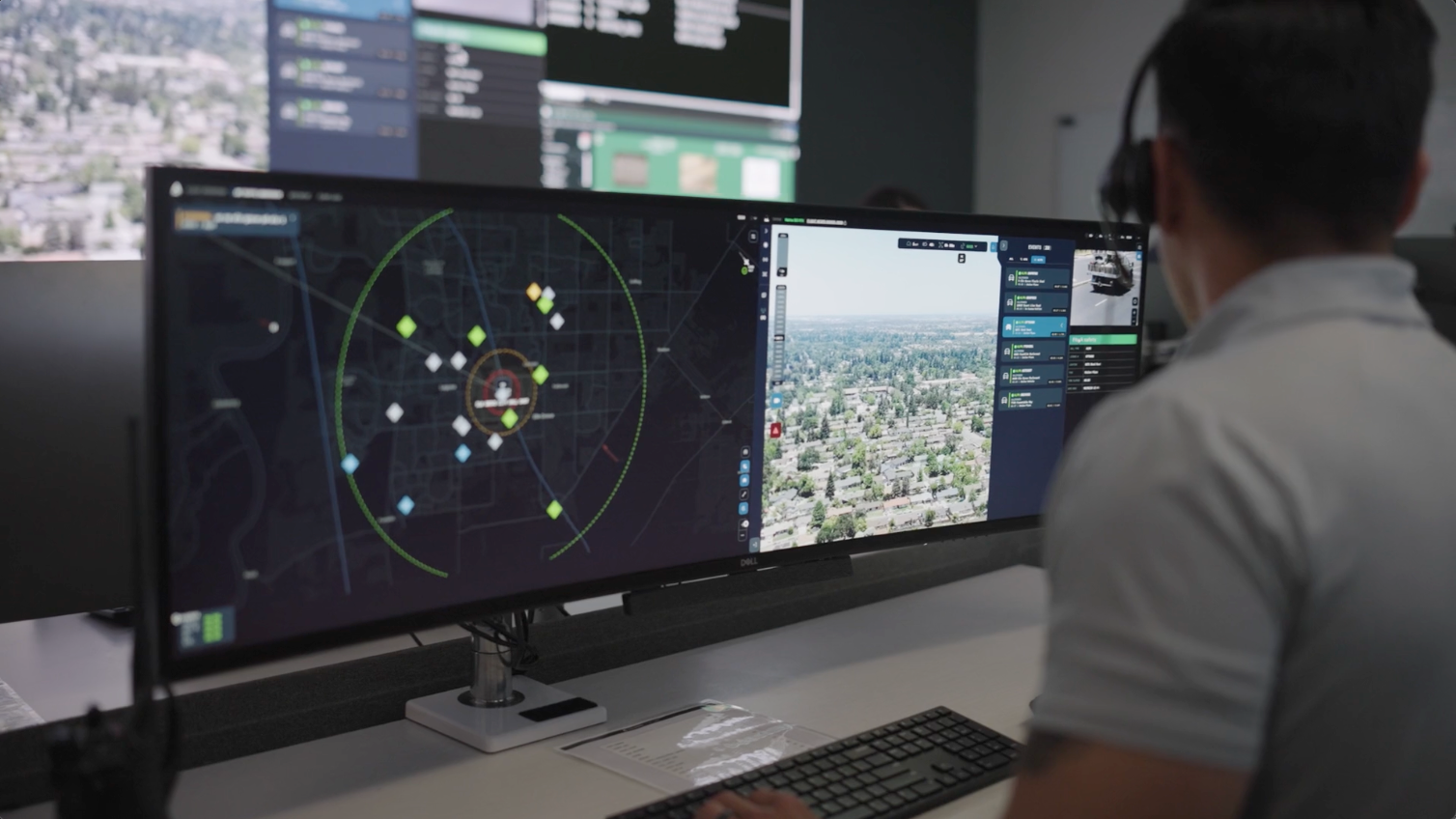
A new update to the department’s FlightOps module now allows pilots to launch drones almost immediately when a call comes in, saving precious time in emergencies. Elk Grove PD uses Mark43 CAD, a cloud-native computer-aided dispatch, as its emergency dispatch system. The system has been integrated with its drone program allowing drone pilots to listen to live 911 calls and automatically launch drones to calls for service.

“The pilot would be able to see the cad calls that are active, and they would have to manually type in the address and so that takes time and when seconds matter having a FlightOps model where they can just click on the location eliminates all that process,” Elk Grove Police Department Lt. Nate Lange said. “The other part of that is our license plate readers are now integrated into our FlightOps module as well so if a license plate reader is flagged for a felony vehicle or stolen car, it’ll flag the pilot as well and we’re able to go to that exact location with just the click of a button.”

It’s also expanded the types of calls for service the department can help with via drone including missing persons, car crashes, and robberies to name a few. The department said it’s even been able to help Cosumnes Fire with live feeds during structure fires.

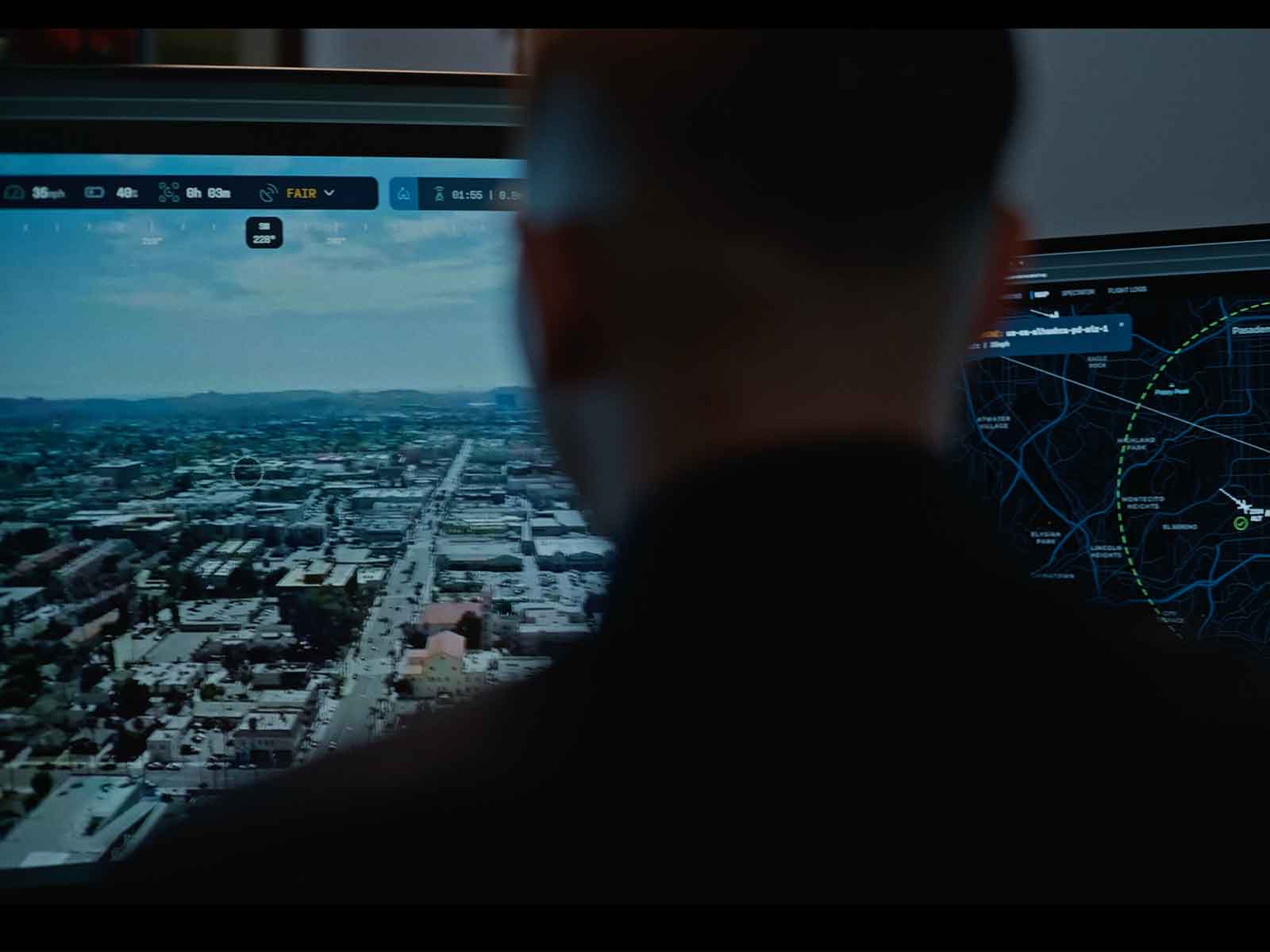
Another update includes a map overlay as the drone flies over an area. Pilots and watch commanders can see the names of businesses and landmarks a suspect is passing in real time and relay that information quickly to crews on the ground.

“Historically, you’d be able to look at a map or look at a video feed from a drone. You wouldn’t know where you’re at unless you had a familiarization with the community,” Lt. Lange said.

The drones are also reaching new heights in the physical sense. The same waiver granted by the FAA in January not only allows the department to fly its drones autonomously to calls — but to do so up to 400 feet in the air. It’s a leash the department said greatly expands their ability to get to you faster.

“There’s been thousands of hours of inspections of these units to ensure that there’s proficiency and consistency on their safety so we are happy and comfortable moving forward now with a program that doesn’t have a remote pilot on the roof full-time but they are still doing pre-flight inspections and we’re still ensuring that the system is operational and still functioning as it’s been promised,” Lt. Lange said.

Once the batteries are changed and the pilot gives the clear from inside the operation center, the drone launches. The department has three drones as part of its “Drone as a First Responder” program. Depending on where a call for service comes in, any of those three drones can be used and get to the scene in less than three minutes.

In many cases, the drones arrive on the scene before traditional patrol, giving officers a better idea of what they’re getting into before they even step out of their patrol car.

“As the pilots are listening to live 911 calls coming in in real-time they’re able to deploy the drone to that location before the CAD call even exists so the situational awareness we’re able to provide our officers has never been like this before, I know it wasn’t when I worked patrol,” Lt. Lange said. 

With drones becoming more popular Elk Grove PD has a transparency portal where you can view where its drones have flown in recent days to confirm if drones you see belong to them.

Original Story: KTXL FOX40