Making Your Mark: A Conversation with Mary McCulloch and Tim Haynes
Built by Those Who Have Answered the Call


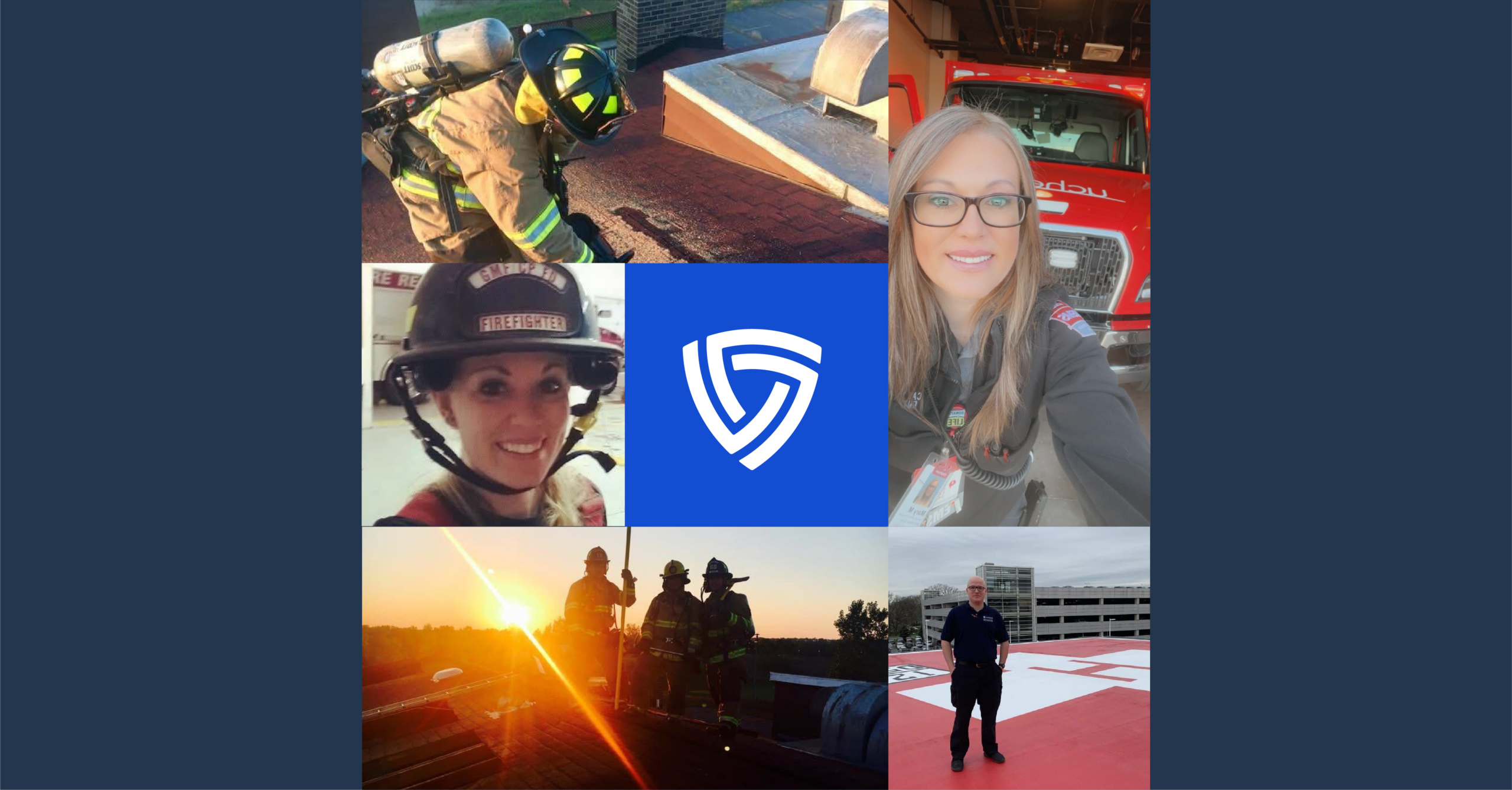
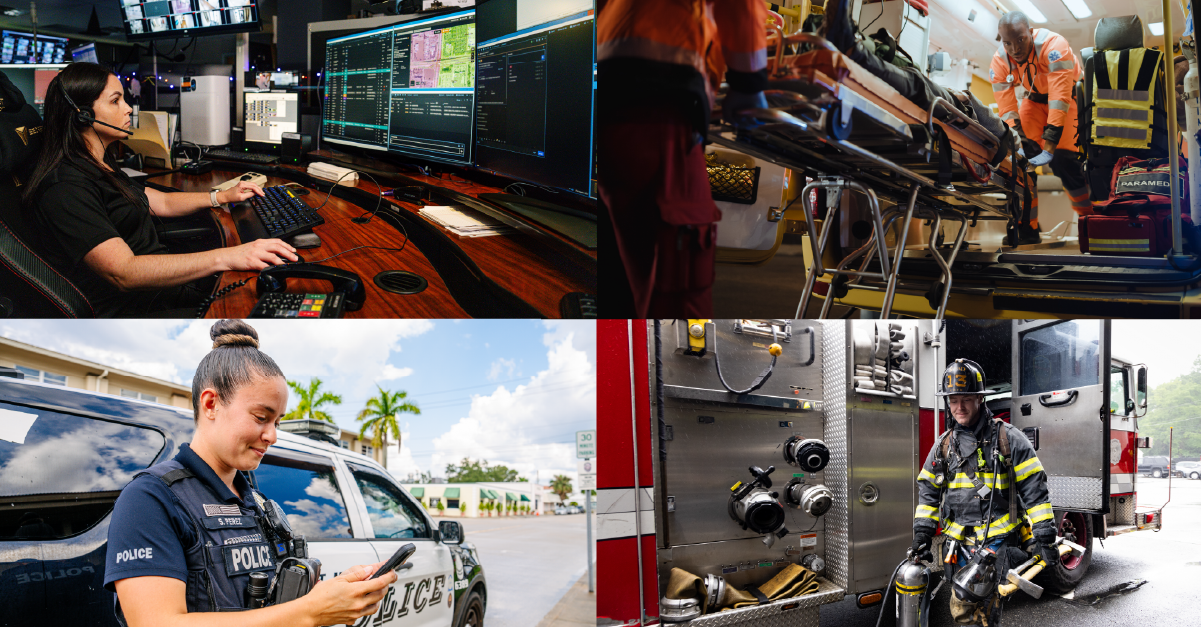
When a 9-1-1 call comes in, every second counts. Dispatchers are coordinating units, firefighters are gearing up on the engine, and EMS crews are preparing for whatever they will find on scene. In these moments, responders rely on clear information and systems they can trust.
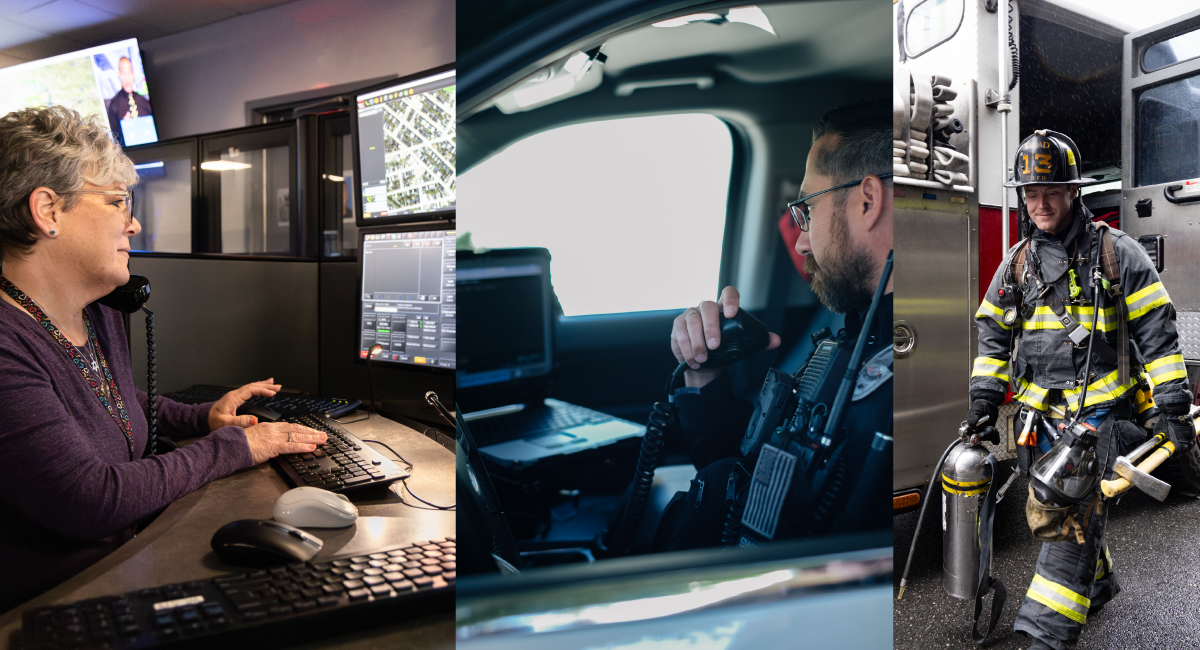
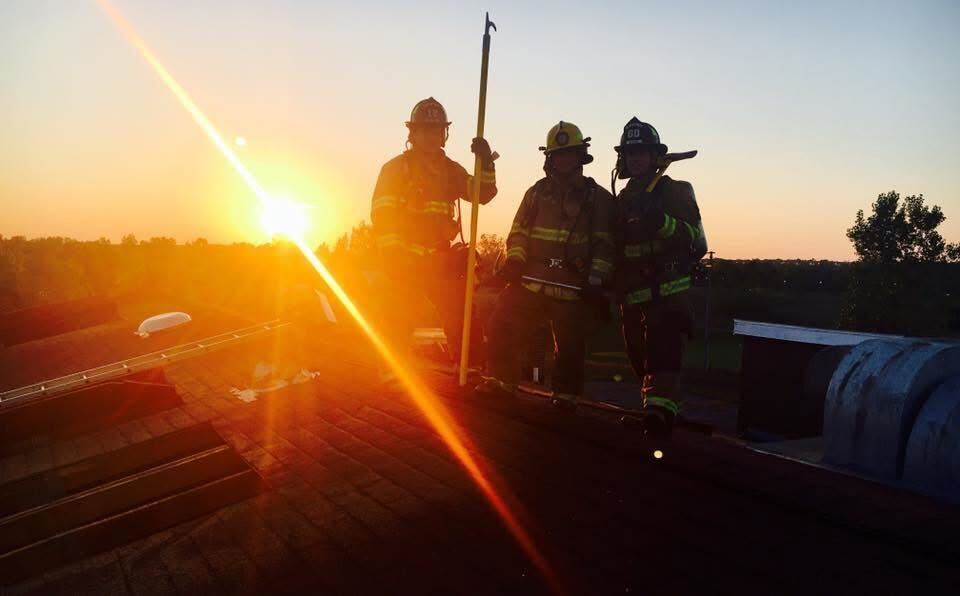
In this employee spotlight, we hear from Mary McCulloch and Tim Haynes, two Mark43 team members who built their careers in public safety before moving into technology. Mary spent 20 years in 9-1-1 communications and fire dispatch and continues to serve today as a volunteer firefighter and EMT, while Tim served for more than a decade as a firefighter and paramedic. They bring that operational experience into their roles helping build and deliver Mark43’s Computer Aided Dispatch (CAD), ensuring the technology reflects the real-world demands of dispatch centers, fire houses, and emergency response.
The Calls That Defined Our Careers
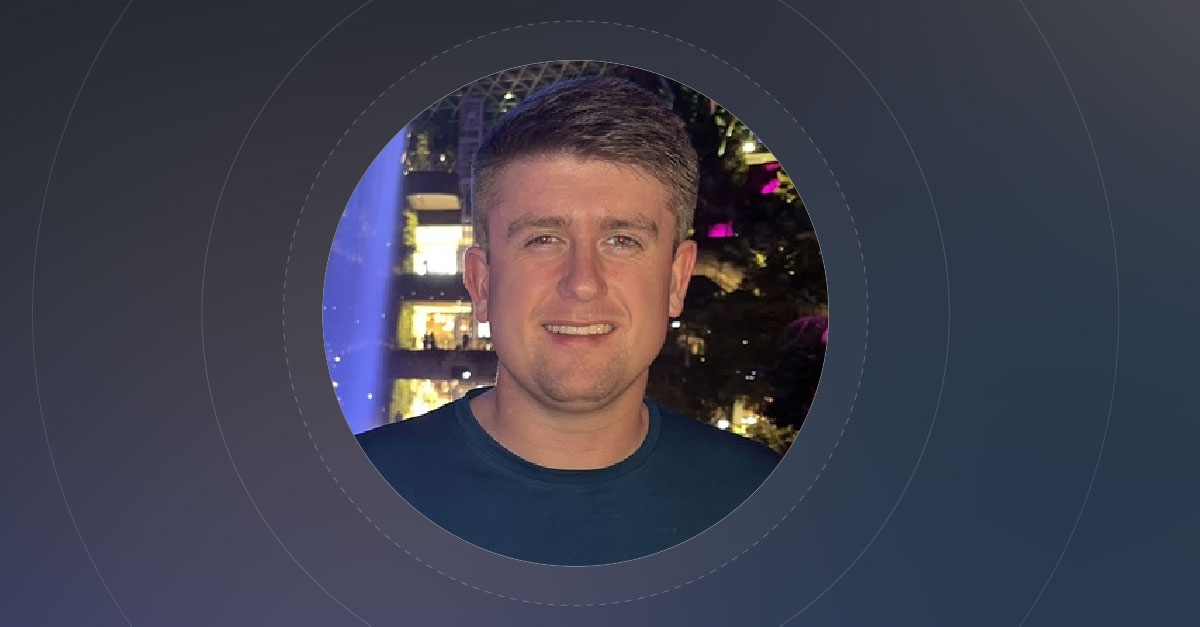
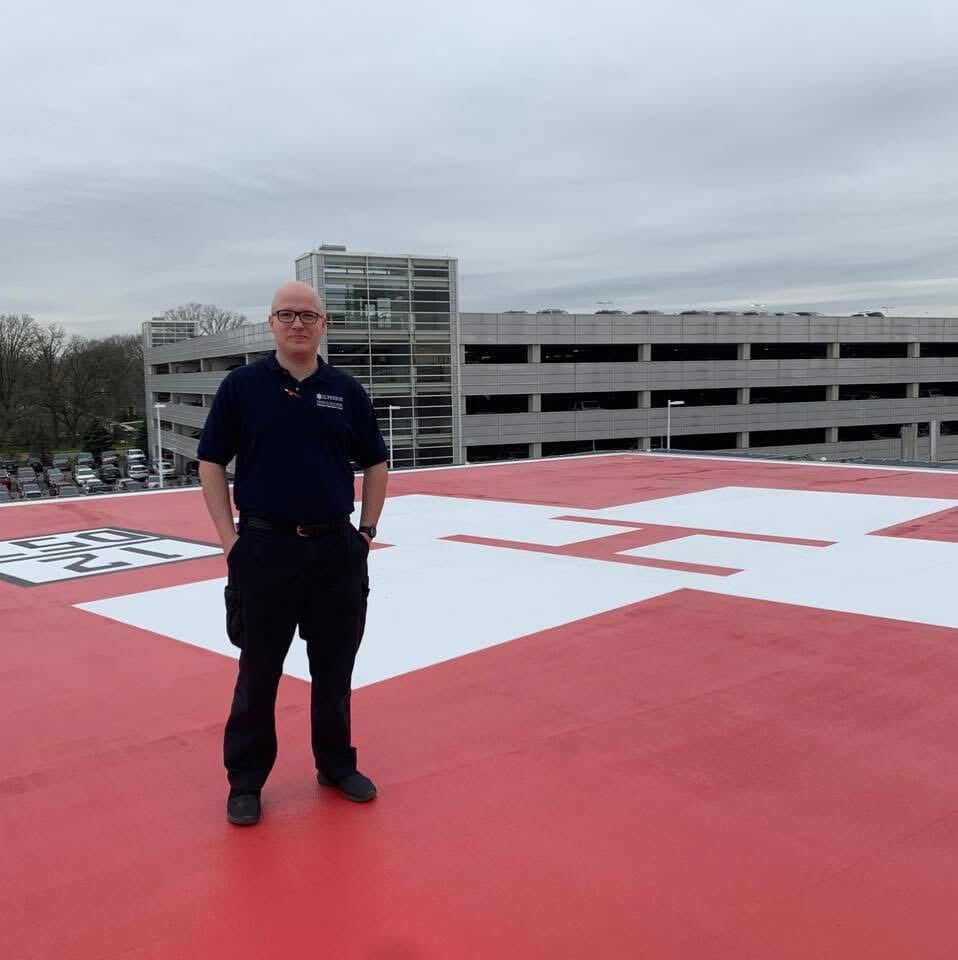
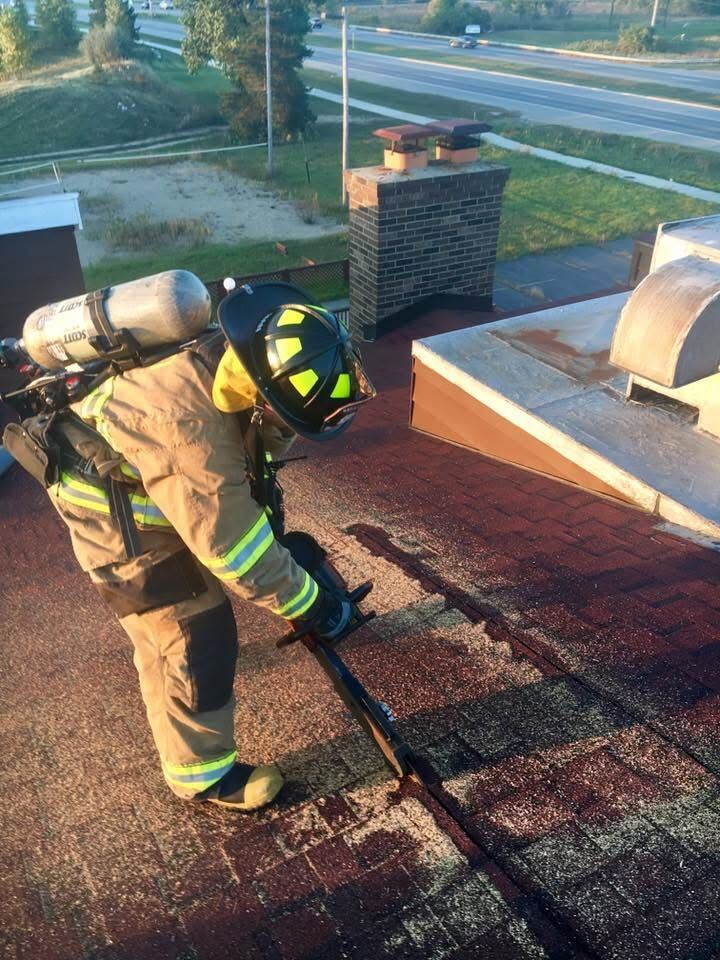
Tim: I’m Tim Haynes, a Product Owner at Mark43 on the CAD team. My path started with a simple motivation: I wanted to help people. I initially pictured a future in law enforcement, but a ride-along changed that quickly. In one shift I saw a car fire, a house fire, and a medical call. Within a week I enrolled in EMT and fire academy. That was the beginning of a decade of urgent, high-stakes moments. I began in a volunteer paid-on-call department, continued my education, earned my paramedic license, and became a full-time firefighter and paramedic in the metro Detroit region. I also spent years in incident management at a major Michigan utility, working within the ICS and National Incident Management System framework.
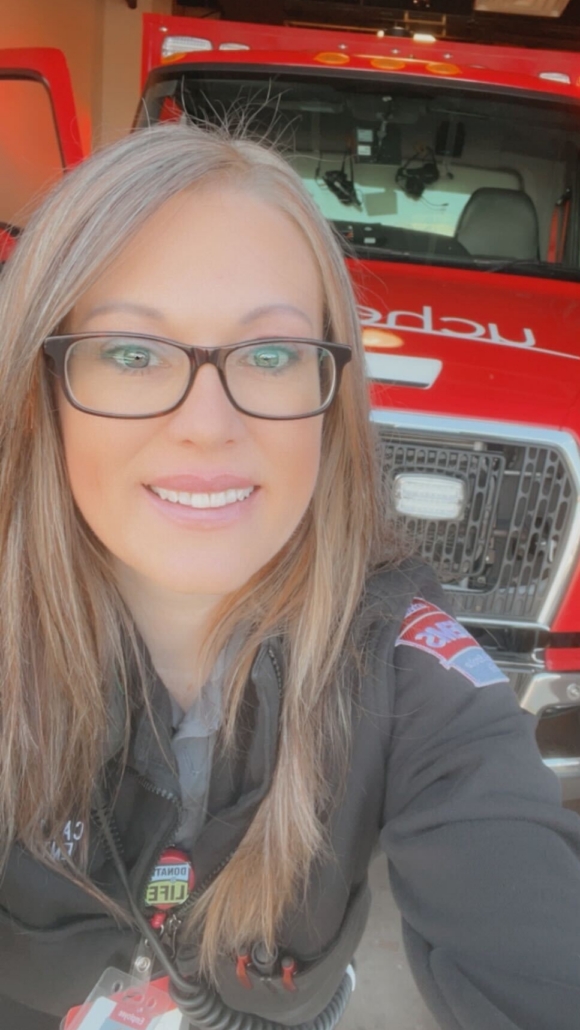
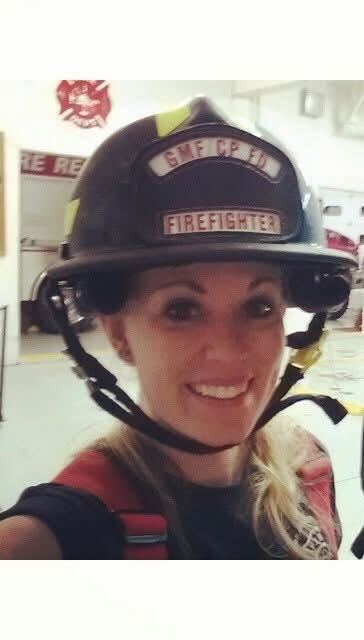
Mary: I’m Mary McCulloch, the Principal CAD Architect on the Federal Services team at Mark43. Before joining Mark43 five years ago, I spent 20 years as a dispatcher, including 9-1-1 call-taking and fire dispatching for Colorado Springs Police Department, along with time in two other communications centers. Public safety is still part of my day-to-day life. I recently marked my 12-year anniversary as a volunteer firefighter. I am also approaching five years working at the hospital where I serve as an EMT and drive a specialized Mobile Stroke ambulance. That continued experience in the field shapes how I think about the technology we build.
Expanding the Mission: Why We Moved into Technology
Tim: I have always been drawn to technology. Even early on, I was the person at my agency people relied on for IT help. Over time, I saw how much public safety outcomes are influenced by tools and systems, especially when those systems surface critical information quickly and reliably. As I helped implement tools in the department and supported technical improvements, the connection became clear. Technology and public safety could reinforce each other, and I wanted to work in that space full-time.
Mary: In dispatch, I frequently supported CAD administration, tested systems, and helped maintain fire response plans in a large center with 25 fire stations. Those responsibilities gave me deep exposure to how CAD works behind the scenes, and how difficult the job becomes when technology is unreliable. Dispatch burnout is real, and it is often compounded by systems that slow people down. When the opportunity at Mark43 came up, it felt like a natural extension of the work I was already doing, with the added ability to support more agencies and more responders.
Why Mark43
Tim: I was drawn to Mark43’s focus on where the industry is going, including modern mapping capabilities and data-driven tools. I was also drawn to how much the company prioritizes learning directly from customers. Teams regularly conduct site visits, discovery sessions, and ride-alongs to understand how different agencies operate.
Mary: I had insight into Mark43 through a former colleague who joined before I did. That helped me understand the company’s mission early. It reinforced that this was a place focused on building solutions that reflect real operational needs. It also showed how much the company values public safety experience when making product decisions.
When Seconds Matter, Systems Matter
CAD systems sit at the center of operational coordination. When they are reliable and designed around real workflows, they support speed, safety, and clarity across agencies.
Tim: In my fire experience, our CAD systems were far behind what is possible today. The difference is not just modern interfaces. It is the ability to surface essential information quickly, including hazards, preplans, hydrants, and other operational data that helps crews make decisions en route. Responders are moving quickly, gearing up, coordinating, and arriving within minutes. The system has to support that reality without adding friction.
Mary: I spent years working within CAD limitations in dispatch, and I still see those limitations in many environments today while on shift. At my fire department, we do not have mobile CAD in the field. At the hospital we use a system that can be unreliable, which creates a heavier reliance on dispatch. That experience makes the value of modern CAD very clear. Capabilities such as multi-agency coordination, mapping visibility, and incident command support can make a meaningful difference in both daily operations and major incidents.
How Experience Builds Trust with the Customer
Mary: During implementations, once agencies learn about my background and understand that I am still active in fire and EMS, it often builds trust quickly. They recognize that I get the job and the stakes. That helps in configuration discussions, change management, and training. It also helps when the conversation turns to workflow improvement, because I can connect a design decision to what it feels like on the dispatch floor. Many legacy workflows are tedious. Showing that a process can be completed in four steps instead of 15 can change the tone and outcome of an implementation.
Tim: Public safety has a high level of operational complexity, and the details matter. Requirements documents and discovery sessions are helpful, but many critical nuances show up only when you understand how decisions are made during real events. That experience helps us notice inconsistencies, ask better questions, and validate why an agency dispatches in a certain order or staffs resources a certain way. Internally, it also helps engineering and product teams anchor decisions in real-world workflow and language.
Where It Comes Full Circle
Mary: I am especially proud of the launches I have supported for larger, multi-agency environments where fire and EMS operations are being built into the system. Denton County in Texas and Camden County in New Jersey stand out because of the scale. Denton has more than 20 agencies operating in the system and Camden supports more than 30. Being part of those implementations and helping configure fire and EMS workflows for that many departments is incredibly rewarding. I have also worked with agencies across California, Texas, Massachusetts, and Florida, and each region brings slightly different operational needs. Seeing those agencies successfully adopt the system and continue building on it after launch has been one of the most rewarding parts of the job.
Tim: For me, some of the proudest moments come from spending time with agencies in the field and seeing how the system supports their operations. I have had the chance to work with departments in places like Falmouth, Massachusetts and Boynton Beach, Florida, as well as agencies across Texas. What stands out most is the consistency of the relationships. Mark43 teams show up before go-live, during go-live, and after the system is in place. Spending time in dispatch centers, riding along with crews, and hearing directly from responders about how the system supports their work reinforces why this work matters.
Building the Future of Public Safety
Tim: The future of public safety technology is about bringing meaningful data together and surfacing it at the right moment, leading to safer outcomes. When responders and dispatchers have the information they need without digging for it, they can stay focused on what matters most. Technology should reduce administrative burden and increase clarity during critical moments so responders can focus on patient care, scene safety, and supporting their communities. For anyone in public safety thinking about moving into technology, my advice is to start with the systems you already use. Ask who manages CAD or other operational tools in your agency and offer to help them. Get involved in testing, configuration discussions, or workflow improvements. Hands-on exposure is one of the best ways to learn how these systems work and how they can be improved.
Mary: When I first started dispatching, we were dispatching on punch cards. From there we moved to an in-house CAD system, then to a DOS-based program, and now a modern system. Seeing the evolution has been incredible. Even in the past five years, the number of integrations and improvements in Mark43 CAD capabilities has grown significantly. Those advancements help dispatchers and responders manage calls more effectively and support the work that happens both during an incident and afterward. Making the move into technology does not mean leaving public safety behind. For me, it has simply been another way to continue serving the community. Every day we work with agencies across the country to help build systems that support dispatchers, firefighters, EMS crews, and officers when they need it most.
Interested in making a similar impact? Mark43 is always looking for people who understand the realities of public safety and want to help shape the technology that supports it. Explore our open roles.

Mark43 is the trusted leader in public safety technology, providing a secure, all-in-one platform for agencies to save time, stay compliant, and ensure community safety.