


By: Matt Polega
Matt Polega is a cofounder and president at Mark43, a leading cloud-based public safety software company.
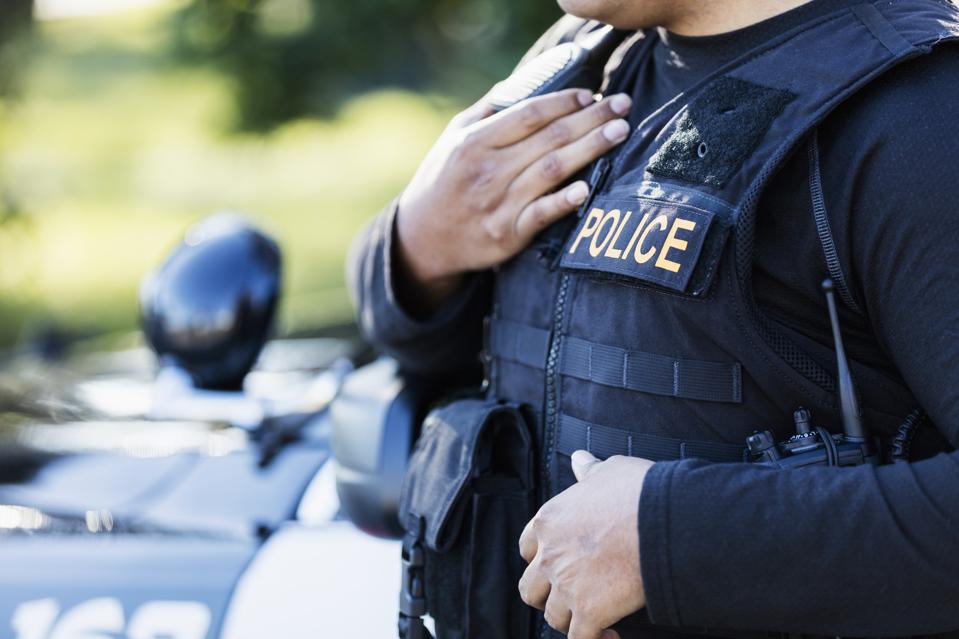
Technology companies are navigating constant challenges—from cyber attacks to regulation to economic uncertainty to AI disruption. But there’s one tech vertical that has been built to thrive under these conditions: public safety technology.
While consumer tech has often prioritized speed, convenience and rapid iteration, public safety technology needs to do all that and be built to withstand the worst days. It prioritizes reliability in crisis, security by design and deep responsiveness to customer needs.
In today’s fast-moving landscape, here are five key lessons any technology company can take from the public safety technology industry.
1. Build resilience into people and systems.
Resilience is the foundation of effective public safety technology. It starts with infrastructure—and that means partnering with a hyperscaler that handles high demand, system failures and cyber threats without missing a beat.
A decade ago, cloud technology raised a lot of questions. Today, it helps deliver essential scalability, security and reliability—especially in high-stakes moments. That technical resilience extends throughout every application, ensuring systems stay secure, accessible, redundant and easy to use in any situation.
Resilience also extends to people. This is why public safety tech companies hire veterans or former public safety employees—they’ve been on the frontlines and navigated crisis after crisis. When you hire for resilience, it is built into your company’s DNA.
2. Redundancy is a must-have.
Public safety agencies don’t have the luxury of being able to plan for outages—and neither do the tech companies that support them. Mission-critical operations require 24/7 continuity, which means teams should have well-prepared members and processes that are ready in times of disruption. This level of operational redundancy ensures that customers are always supported, just like public safety agencies are always on for the communities they serve.
In many cases, cloud-native public safety technology is the backup for public safety agencies. If an agency loses power or access to local systems, cloud-native tools remain operational. This necessity sets a high bar, and the broader tech industry must hold itself to that same standard.
In addition, first responders train for the unexpected and run towards danger, not away from it. In those fraught situations, the key is being ready to adapt. Resilience isn’t about avoiding disruption; it’s about preparing for it structurally, technically and culturally.
3. Clear communication is key, especially in times of crisis.
Honest, clear and direct communication is a key area that can get overlooked in fast-moving tech companies, particularly in a crisis. It is easy to default to siloed decision making or assume it’s somebody else’s problem.
Resist this urge! Crisis response is best handled when teams move together. Bring essential stakeholders together and get everyone on the same page—slow down to go fast. Align and make clear marching orders to execute faster.
Of course, leadership can’t know everything in a company. Management should be prepared to let their teams operate, give them what they need and trust that they can do the job. The best thing leaders can do is model how people should operate in stressful situations.
Just as essential: keep customers informed. Direct, frequent communication before, during and after an incident builds trust and prevents confusion. If an incident does occur, public safety tech companies ensure that customers receive timely status updates and a detailed root cause analysis (RCA). We recap what happened, the proactive steps that the team has already taken and what additional actions are underway to prevent it from occurring again.
First responders are held to what often feels like super-human standards by their community members, and technology companies that support them must hold themselves to the same.
4. Security must be foundational, not an add-on.
Public safety tech must be secure and protected from a variety of threats. This non-negotiable foundation is an area that other tech companies can also benefit from.
If any individual system fails, organizations should have a reliable backup so that there is no single point of failure. I believe that if you’re always prepared, you don’t have to get prepared. Even if there is a perfect storm, our public safety agencies should still be operating smoothly—filing reports and dispatching responders under extreme conditions.
One mental test is to consider simplicity. Because in emergencies, complexity tends to result in breaks. Interfaces, workflows and decision making should be as simple as possible. This applies to all high-stakes situations, not just public safety.
5. Build products that meet the need, not assumptions.
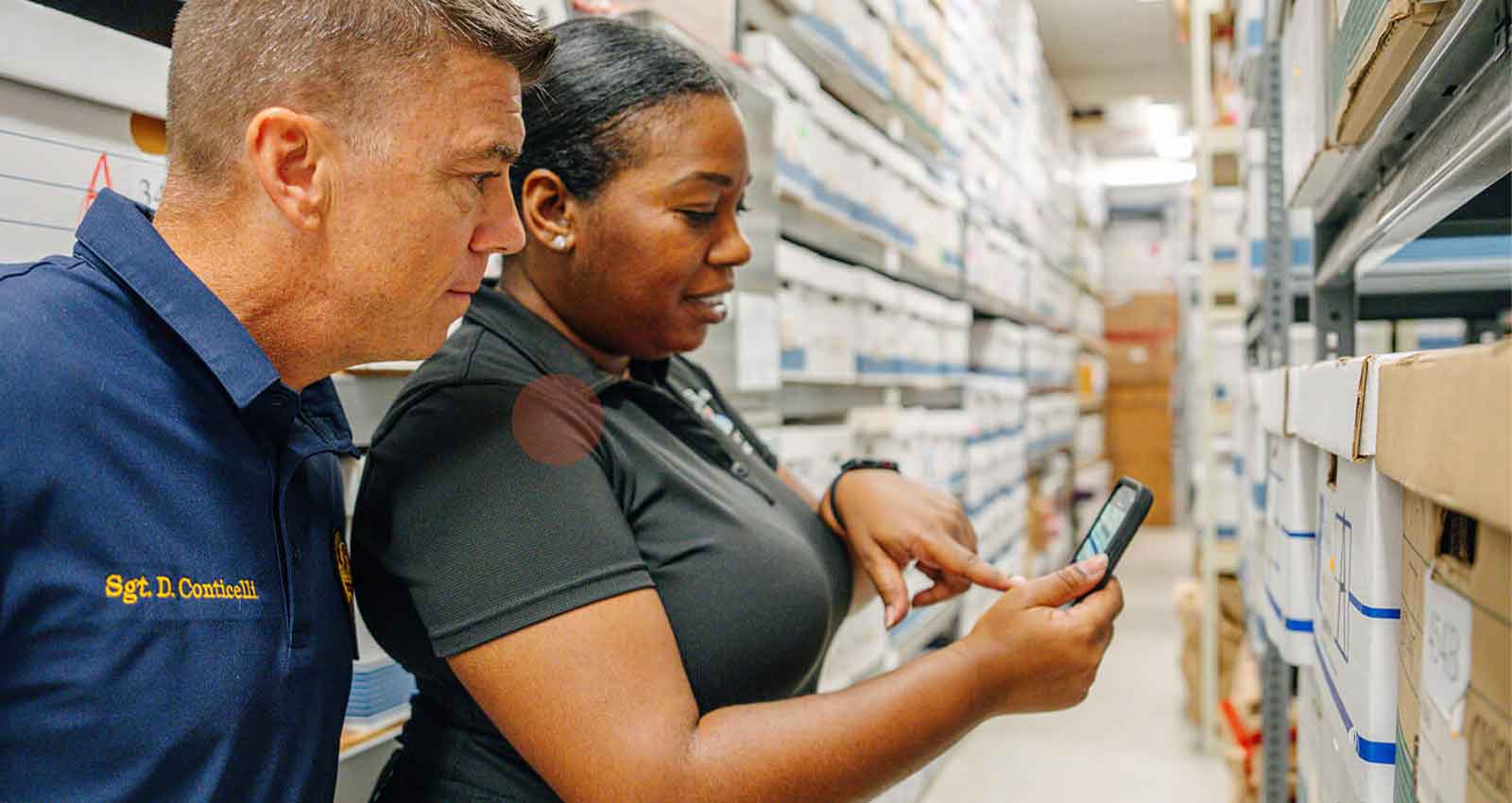
When it comes to building products for public safety agencies, it’s essential to spend meaningful time in the field with officers and dispatchers. The implementation must reflect the real high-stakes environments inside agencies, not imagined use cases from behind a desk. Whether you’re in product or engineering, marketing or customer success, you should spend time on the frontlines with a user to understand their workflows and real-time application.
When law enforcement helps to build this technology, for example, they can adjust offerings in real time to preempt challenges. In public safety, there is no “minimum viable product.” If the product doesn’t perform to the highest standard that will keep people safe, agencies won’t use it.
Conclusion
In public safety, failure isn’t a minor inconvenience; it can be life or death. That’s why technology designed for the industry needs to reflect that urgency and rigor.
Designing for crisis means emphasizing reliability over novelty and growth. The public safety industry operates under pressure. And in today’s world, where every tech company is navigating higher risks and increasingly complex challenges, adopting the same mindset will serve you well.
Build not just for scale, but for the moments when everything goes wrong. That’s when it matters most.
Original Byline: https://www.forbes.com/councils/forbestechcouncil/2025/07/08/designing-for-crisis-what-public-safety-tech-can-teach-the-broader-tech-industry/