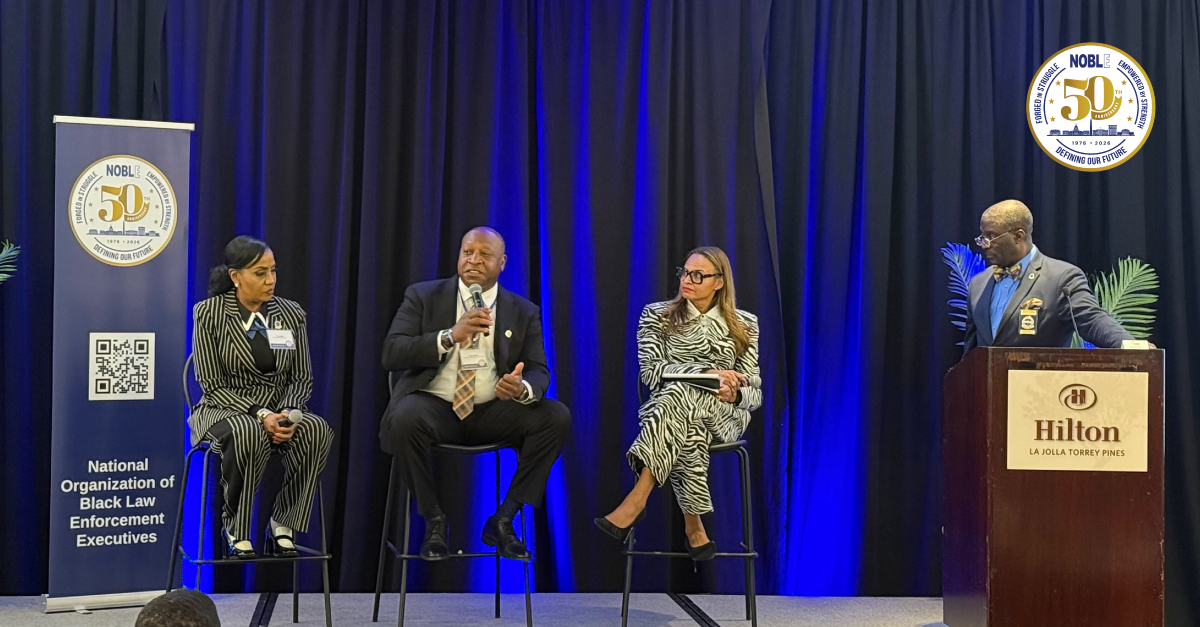

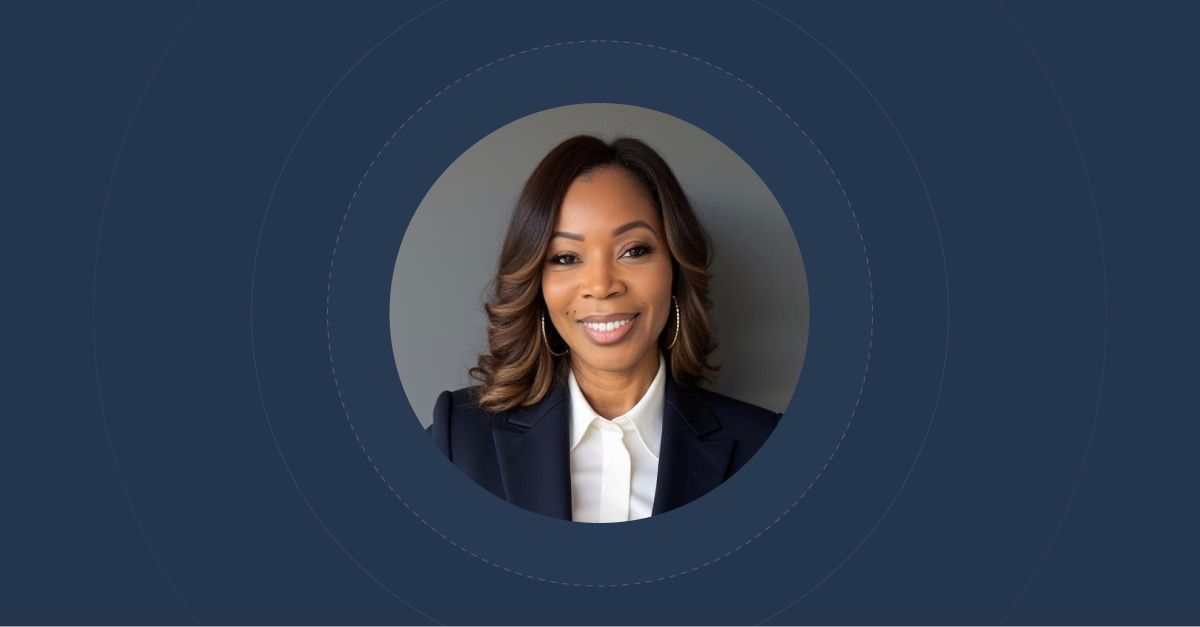
As public safety leaders prepare to gather for the upcoming NOBLE Public Safety Summit, Mark43 sat down with Renée Hall, President of the National Organization of Black Law Enforcement Executives (NOBLE) and former Chief of Police in Dallas and a longtime public safety leader, for a Q&A on leadership, trust, and the role technology can play in shaping a more transparent and accountable future for policing.
In this conversation, Hall reflects on her career, the lessons learned leading through moments of national scrutiny, and what she hopes leaders take away from this year’s Summit.
Q: Can you share a bit about your journey in public safety leadership and what continues to motivate you today?
I was born and raised in Detroit, and my career in law enforcement began with the Detroit Police Department, where I spent nearly two decades and ultimately served as a deputy chief. From there, I had the opportunity to serve as Chief of Police in Dallas during one of the most intense and consequential periods in modern policing—not just for the profession, but for our nation.
My journey has been shaped by service at every level of the organization. What continues to motivate me is a deep and unwavering belief that leadership matters, especially when the work is hard, trust is fragile, expectations are high, and communities are demanding better from law enforcement.
Those are precisely the moments when leadership matters most. I remain driven by the responsibility and the opportunity to help shape a profession that is principled, accountable, and truly worthy of the public’s trust.
Q: From your perspective, what truly builds trust between public safety agencies and the communities they serve?
Slogans do not build trust. We often hear phrases like community policing and community partnerships, but trust is built through consistent behavior over time.
It comes from transparency. It comes from owning our mistakes. It comes from engaging communities as true partners, people who have a real seat at the table, not individuals we view as the problem.
Accountability is also essential, even when it is uncomfortable. People trust what they can see and what they can measure. We cannot explain our way out of situations we have behaved our way into.
Policing has a dark and complicated history in this country, and communities need to see change, not just hear about it. Every interaction must be grounded in humility, honesty, and a genuine commitment to public service. At its core, public service means serving the community with dignity, integrity, and respect.
Q: How do you see technology supporting more equitable outcomes for both officers and communities, and where do technology partners need to be thoughtful?
When technology is implemented thoughtfully, it can significantly enhance transparency, accountability, and officer safety. It can also provide officers with an added sense of security as they carry out the responsibilities entrusted to them.
Tools such as body-worn cameras, license plate recognition systems, drones as first responders, and artificial intelligence can help capture interactions accurately, identify threats earlier, and support more informed decision-making. When this information is responsibly managed through RMS platforms, agencies gain a clearer understanding of what is happening in their communities and can deploy resources more effectively.
But technology can never replace values. We must be intentional. There must be transparency around safeguards, policies, and access. Technology should support constitutional policing and human judgment not replace them.
Q: Can you share more about NOBLE’s work and how the organization helps shape the future of policing?
NOBLE is celebrating its 50th anniversary this year. We were founded in 1976 to ensure equity in the administration of justice and to create opportunities for Black Americans to serve and lead in law enforcement.
Today, approximately 37 to 40 percent of major city chiefs and nearly half of major county sheriffs are members of NOBLE. We focus on training of 21st-century best practices, emerging technologies, and artificial intelligence. We convene experts, lead national conversations, and help agencies navigate policing in increasingly complex political and social environments.
Equally important, NOBLE serves as a conscience for the profession and for the community, ensuring that policies, training, and advocacy do not harm the very people law enforcement is meant to serve. While we are proudly a national Black organization, we are also deeply inclusive, with members from all backgrounds.
Our mission is clear: to ensure policing is constitutional, ethical, and grounded in dignity for both officers and the communities they serve.
Q: As the NOBLE Public Safety Summit approaches, what do you hope attendees walk away with?
I hope leaders leave with a renewed sense of purpose and responsibility.
The Summit is a space for honest and courageous conversations about the realities of policing today, including the broader political landscape and its impact on state and local agencies. It is also a space for shared learning, thoughtful dialogue, and leadership that is willing to speak truth to power.
My goal is for leaders to walk away better prepared to navigate complexity, build trust, and lead organizations that reflect both professional excellence and moral clarity. That is how we create a sustainable, constitutional, and just future for policing.
About Renée Hall
Renée Hall is a nationally respected law enforcement leader and Founder & CEO of TUU Enterprises, LLC, a consultancy focused on 21st-century policing strategies. She advises police departments on policy improvement, risk reduction, modernization, and community engagement. Hall serves as President of the National Organization of Black Law Enforcement Executives (NOBLE) and is Executive Director of the Community Solidarity and Safety Coalition (CSSC).
Most recently, Hall served as Chief of Police for the Dallas Police Department, leading a 4,000-member, $500 million agency through proven 21st-century policing strategies, including technology innovation and enhanced community outreach, to reduce crime and modernize the city’s police force. Before Dallas, Hall rose through the ranks of the Detroit Police Department over two decades, culminating in her role as Deputy Chief.
Mark43 is proud to partner with NOBLE and sponsor the NOBLE Public Safety Summit. We are honored to support conversations that center leadership, accountability, and the responsible use of technology in service of safer communities.