

Key Takeaways:
- Public safety agencies are shifting toward multidisciplinary models that bring together sworn and non-sworn professionals with a range of backgrounds and skill sets.
- Technology investments (e.g., AI, RTCCs, drones) only succeed when paired with clear and intentional strategy, governance, and trained personnel.
- Professional staff play a key role in continuity, strategic planning, and long-term operational success.
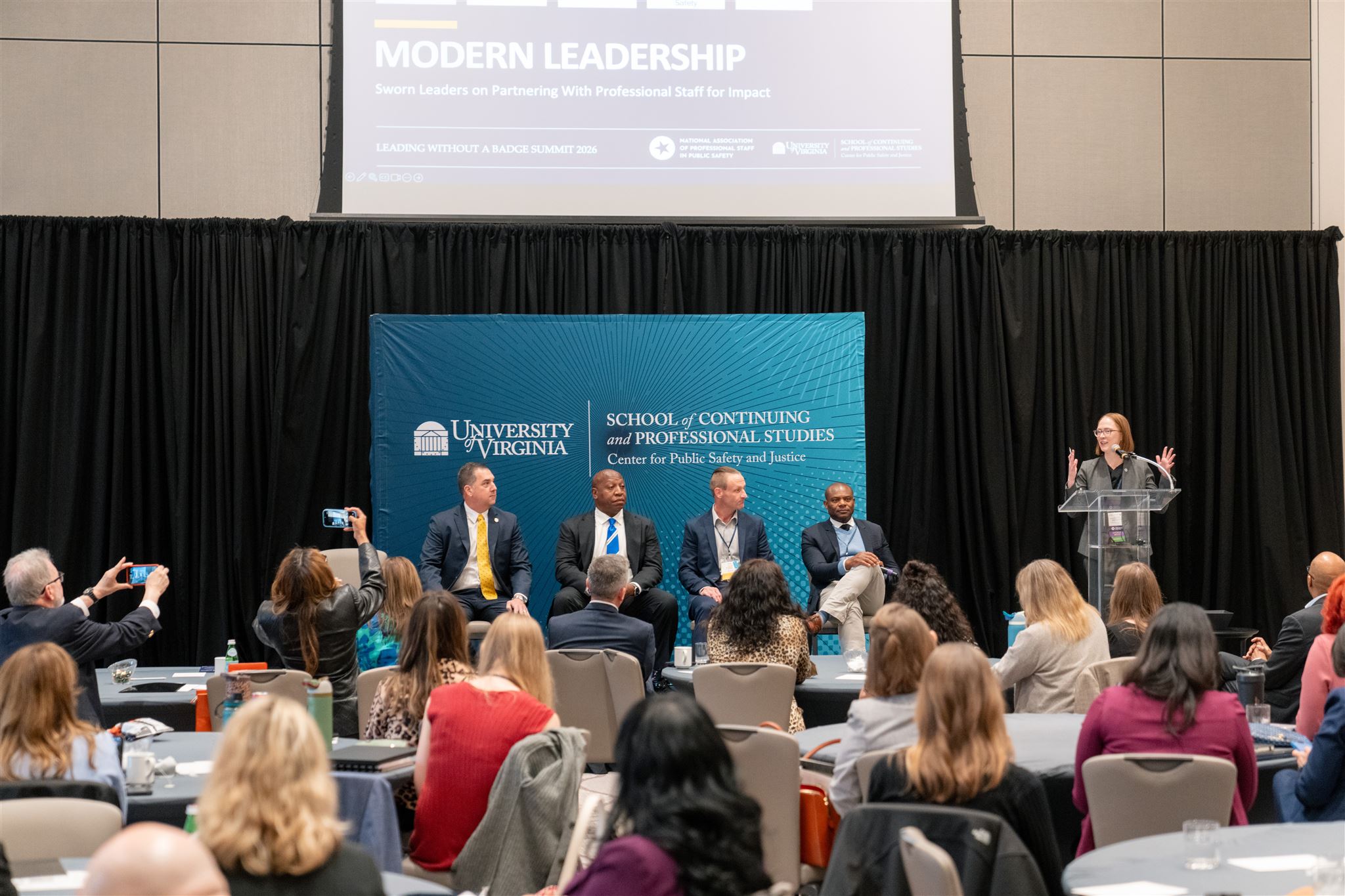
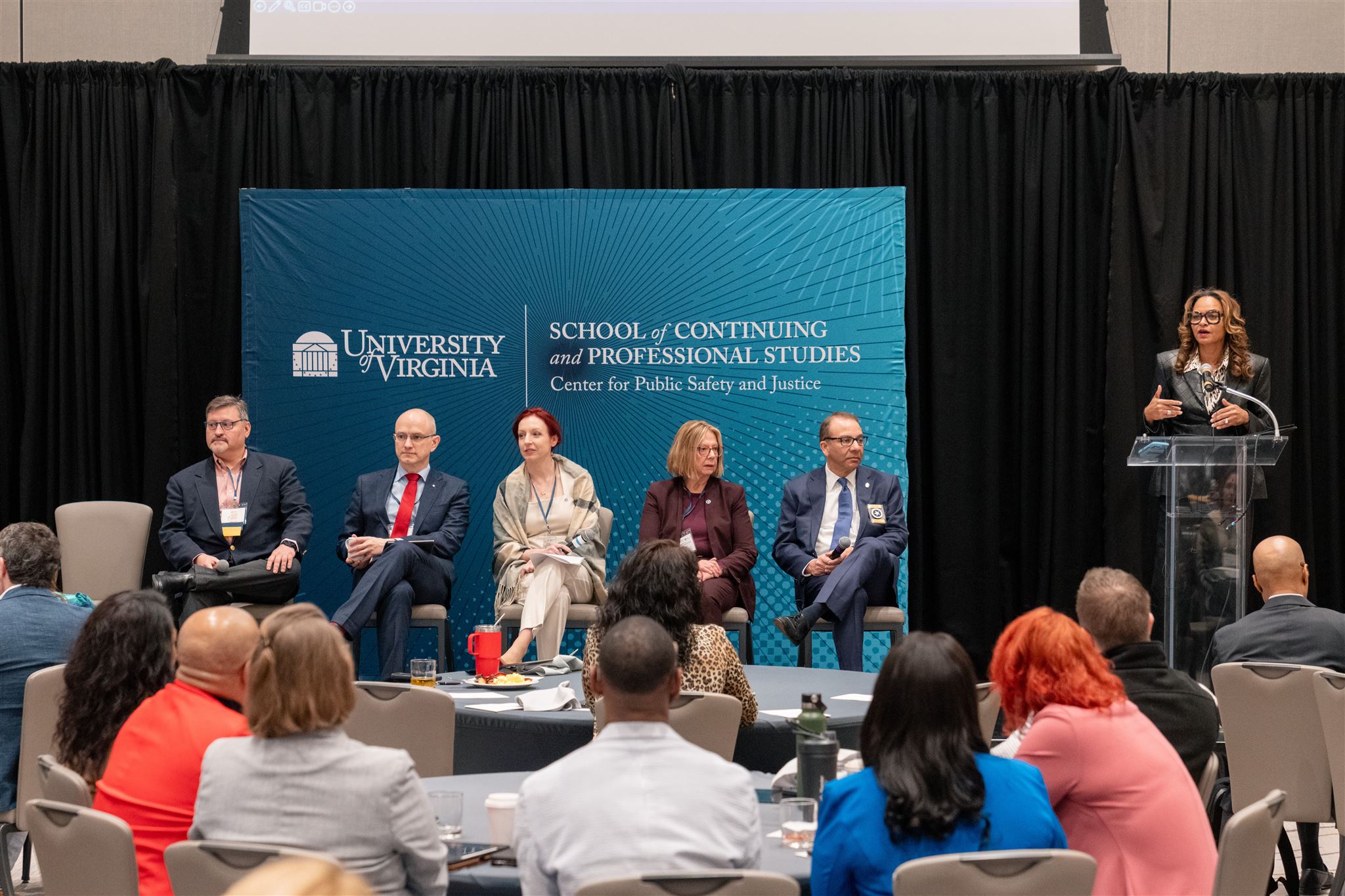
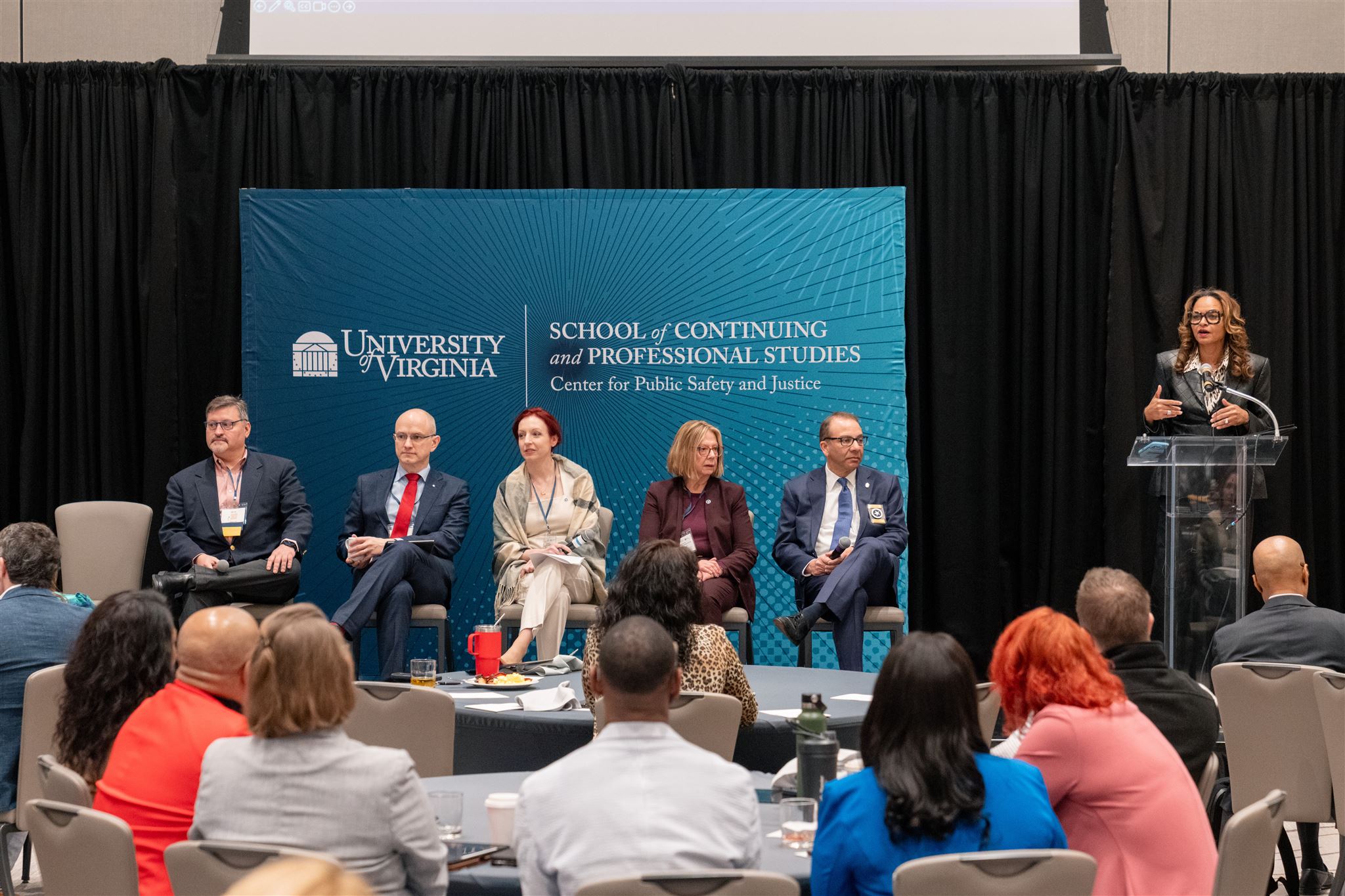
Mark43 was honored to sponsor the second annual Leading Without a Badge conference in Charlottesville, Virginia, bringing together more than 200 non-sworn public safety leaders and executives from across the country to share experiences, promising practices, and innovative ideas. As agencies navigate changing crime trends, shifting community expectations, workforce challenges, and rapidly advancing technology, the role of professional staff has never been more critical.

Why Public Safety is Moving to Multi-Disciplinary, Cross-Functional Models
Public safety institutions are evolving, with many jurisdictions shifting toward more multidisciplinary approaches to safety and community well-being. Modern policing increasingly depends on expertise that extends beyond traditional sworn roles, particularly in areas such as policy and strategy, HR and wellness, communications, victim advocacy, technology, and data analysis.

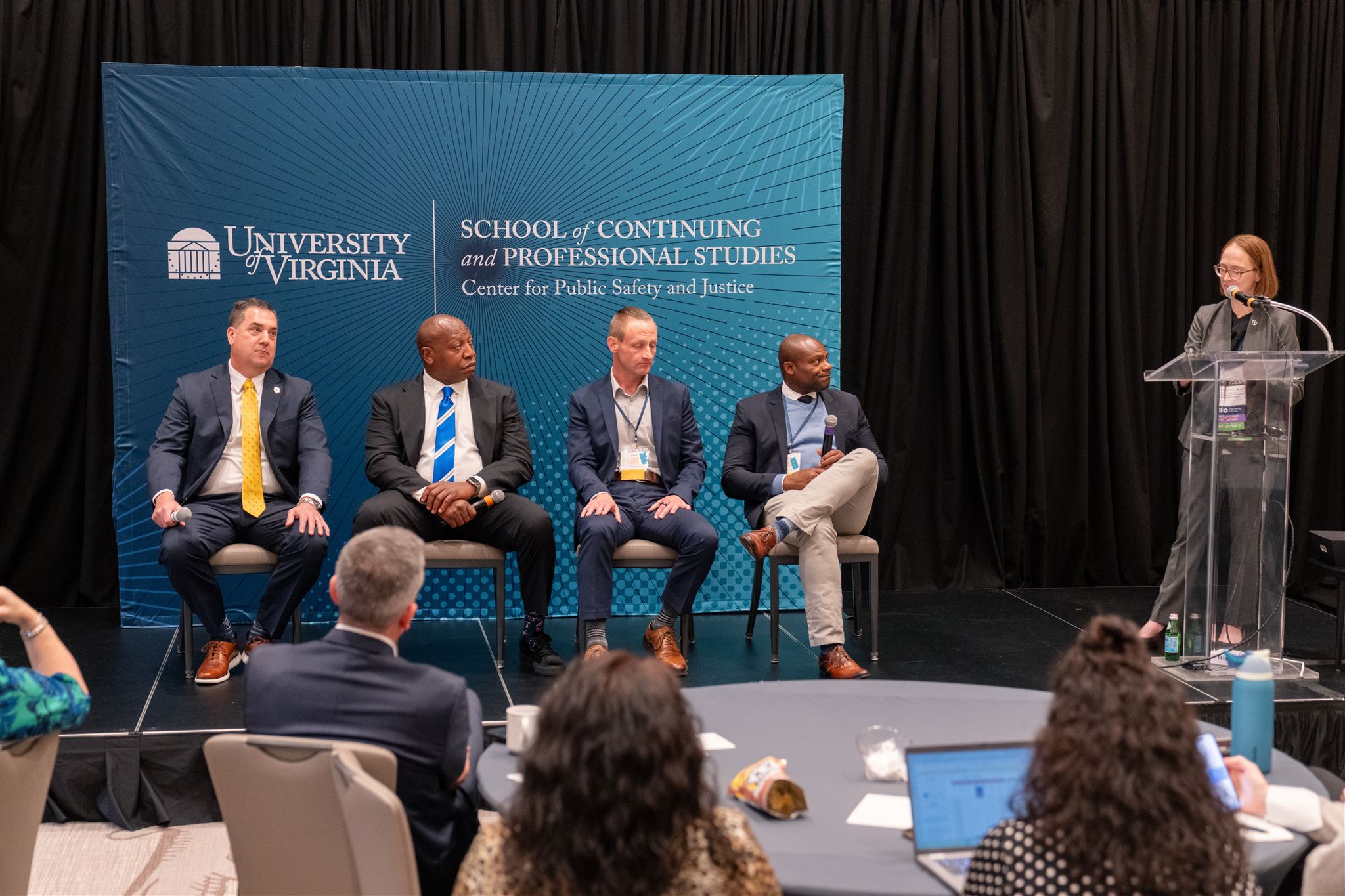
This shift is already taking shape in agencies like Minneapolis PD and Knoxville PD, where professional staff are stepping into executive leadership roles overseeing areas like constitutional policing and professional standards. In these positions, they are not only supporting operations but actively shaping strategy, driving accountability, and strengthening critical community and cross-sector partnerships.
Leaders throughout the conference emphasized that this evolution requires a more inclusive approach to decision-making. One that intentionally includes professional staff at the senior leadership table.
What this means: Public safety agencies are moving toward cross-functional structures where expertise in areas like technology, human resources, professional development, and program management is treated as core to the mission.
Why Technology Is Only as Powerful as the People and Strategy Behind It
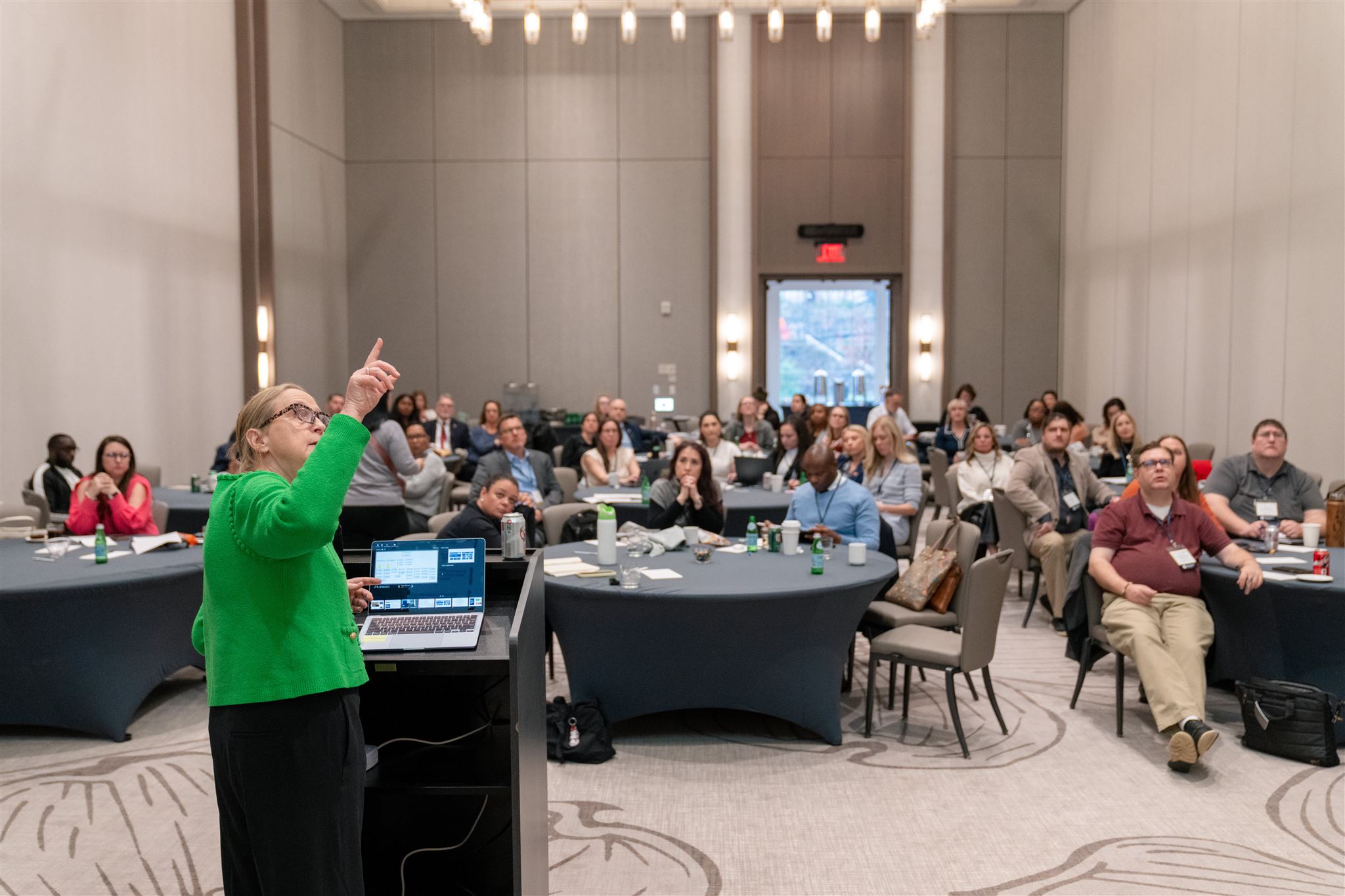
Emerging technologies, including AI, real-time crime centers (RTCCs), and drones, were front and center throughout the conference, signaling just how quickly the public safety landscape is adopting these tools. Many agencies are now managing expansive data ecosystems, in some cases integrating dozens of data sources to support operations and investigations. But alongside that momentum came a consistent and important caution: technology alone is not a solution. Without clear strategy, governance, and alignment to operational goals, even the most advanced tools can fall short.
Technology becomes a true force multiplier only when paired with the right people and intentional strategy. Agencies that see the strongest results are investing in:
- Data analysts and data scientists
- RTCC operators and investigative analysts
- IT and system integration specialists
- Professional staff who can translate data into operational impact
Real-world examples reinforced this:
- RTCC leaders emphasized that collecting data alone isn’t enough. Agencies need trained personnel who can interpret information and turn it into actionable insights. Embedding analysts directly within investigative units leads to better outcomes and stronger cases.
- As AI continues to evolve, it’s important to clearly define its role. When implemented thoughtfully, AI can support policing operations; without that clarity, it risks adding complexity and overwhelming teams.
What this means: Successful technology adoption in public safety depends on effectively aligning people, processes, and strategy with the tools.
Why Professional Staff Are Critical to Strategy and Continuity in Public Safety
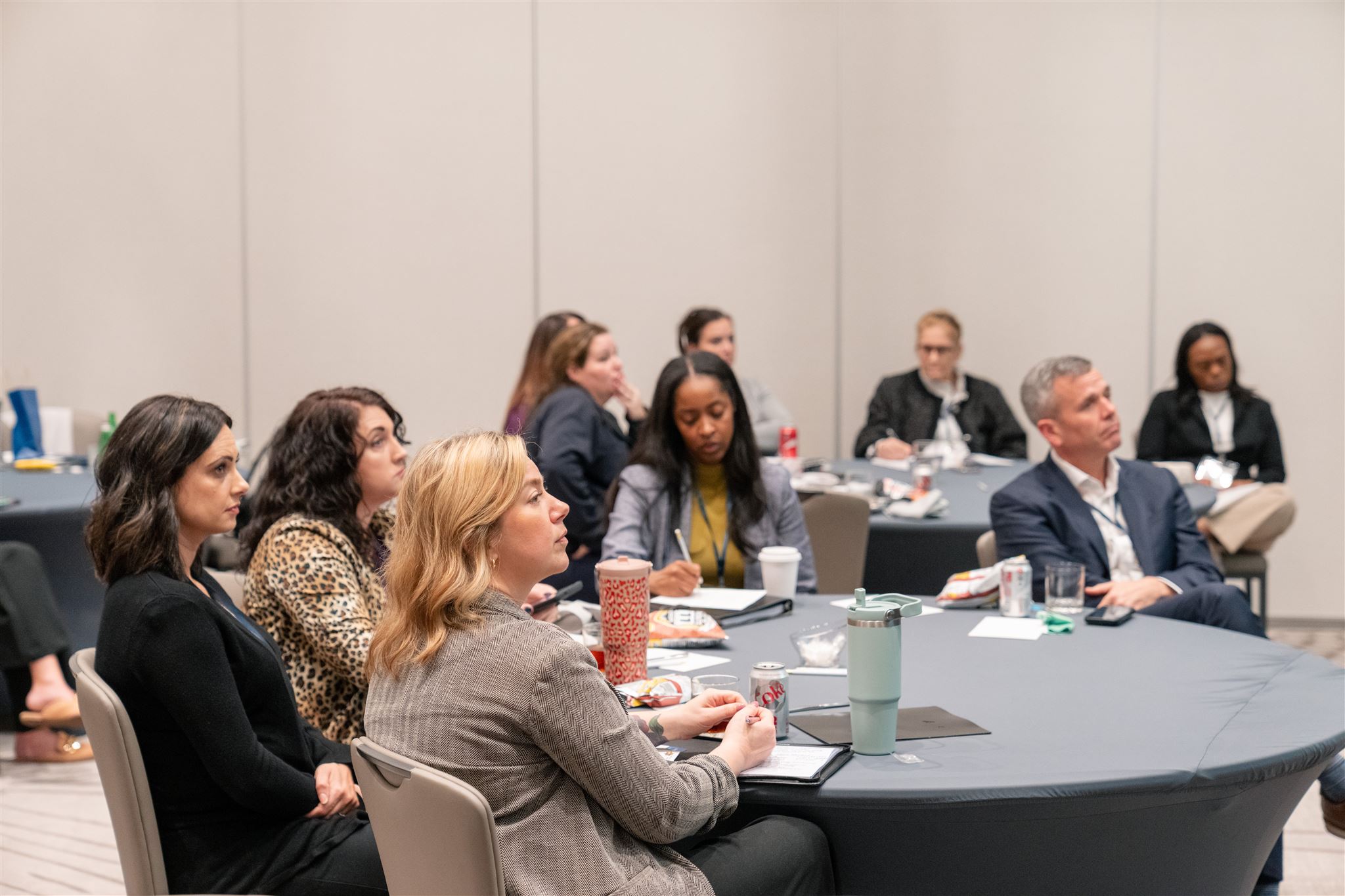
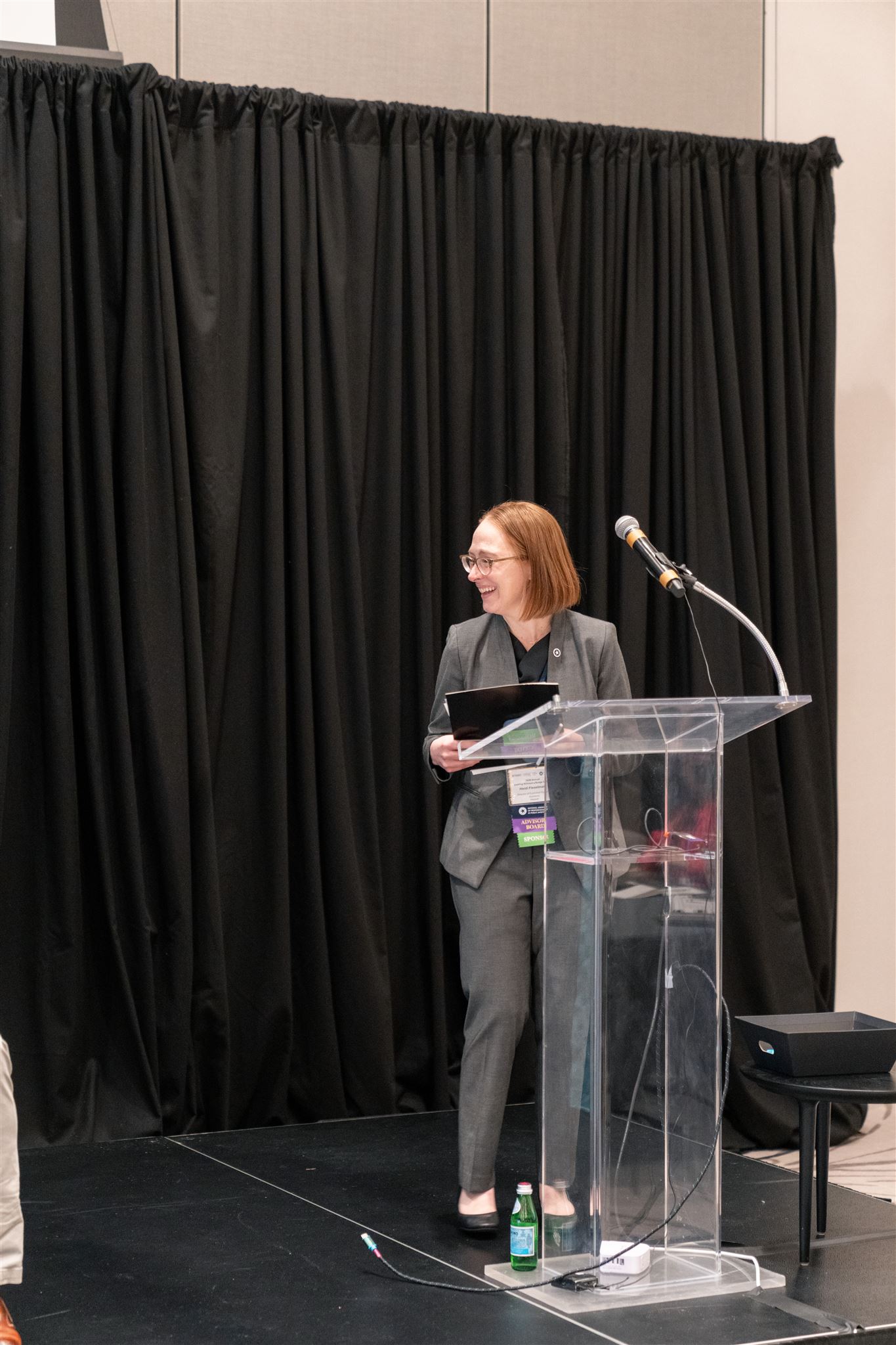
Public safety is inherently operational. Day to day, agencies are responding to immediate needs, solving problems in real time, and, often, putting out fires. But long-term progress depends on something less visible: the ability to step back, plan ahead, and stay focused on where the organization is going, not just where it is. This is where professional staff play a critical role.
Professionals in areas like policy, human resources, technology, communications, and strategic planning bring the focus and expertise needed to support long-term direction. They help translate leadership priorities into actionable plans, build the systems that sustain them, and guide agencies through change in a structured, intentional way. Their role becomes even more important in environments with frequent leadership turnover. As priorities shift, initiatives can lose momentum or stall altogether without continuity behind them. Professional staff often provide that stability. By remaining embedded in core functions, they help ensure that key efforts continue moving forward, even as leadership changes.
The result is greater consistency, stronger alignment, and a clearer path toward long-term outcomes.
What this means: Lasting success in public safety depends not just on strong leadership, but on strong systems and the professional staff who sustain them.
What’s Next
These themes reflect a broader shift in public safety: one where agencies are moving beyond siloed, reactive approaches toward more integrated, strategic, and data-informed operations, with professional staff playing a central role in that evolution. Departments that invest in multidisciplinary teams, empower professional staff, and align strategy across functions will be better positioned to navigate increasing complexity and deliver stronger, more consistent outcomes.
Ultimately, this shift is not just about modernization, it’s about sustainability. By building the right internal capabilities, investing in the right technology, and fostering cross-functional collaboration, agencies can maintain momentum and drive lasting impact, regardless of the challenges ahead.

About the Author