

By: Matt Polega
Matt Polega is a cofounder and president at Mark43, a leading cloud-based public safety software company.

In public safety, tech implementation isn’t just a project plan; it’s a partnership. The difference between technology that simply works and technology that transforms comes down to how intentionally it’s deployed in coordination with the people who rely on it.
When users help shape solutions, adoption is more likely to accelerate and outcomes are more likely to improve. Across industries, this human-centered, collaborative approach is defining the next wave of digital transformation. The leaders will be those who listen, co-create and iterate well.
Here are three ways to be one of those leaders.
1. Connect early and often to reach the right outcomes and build trust.
Intentional implementation doesn’t begin at go-live; it starts long before, during discovery and design, and continues through validation, training, launch and hypercare.
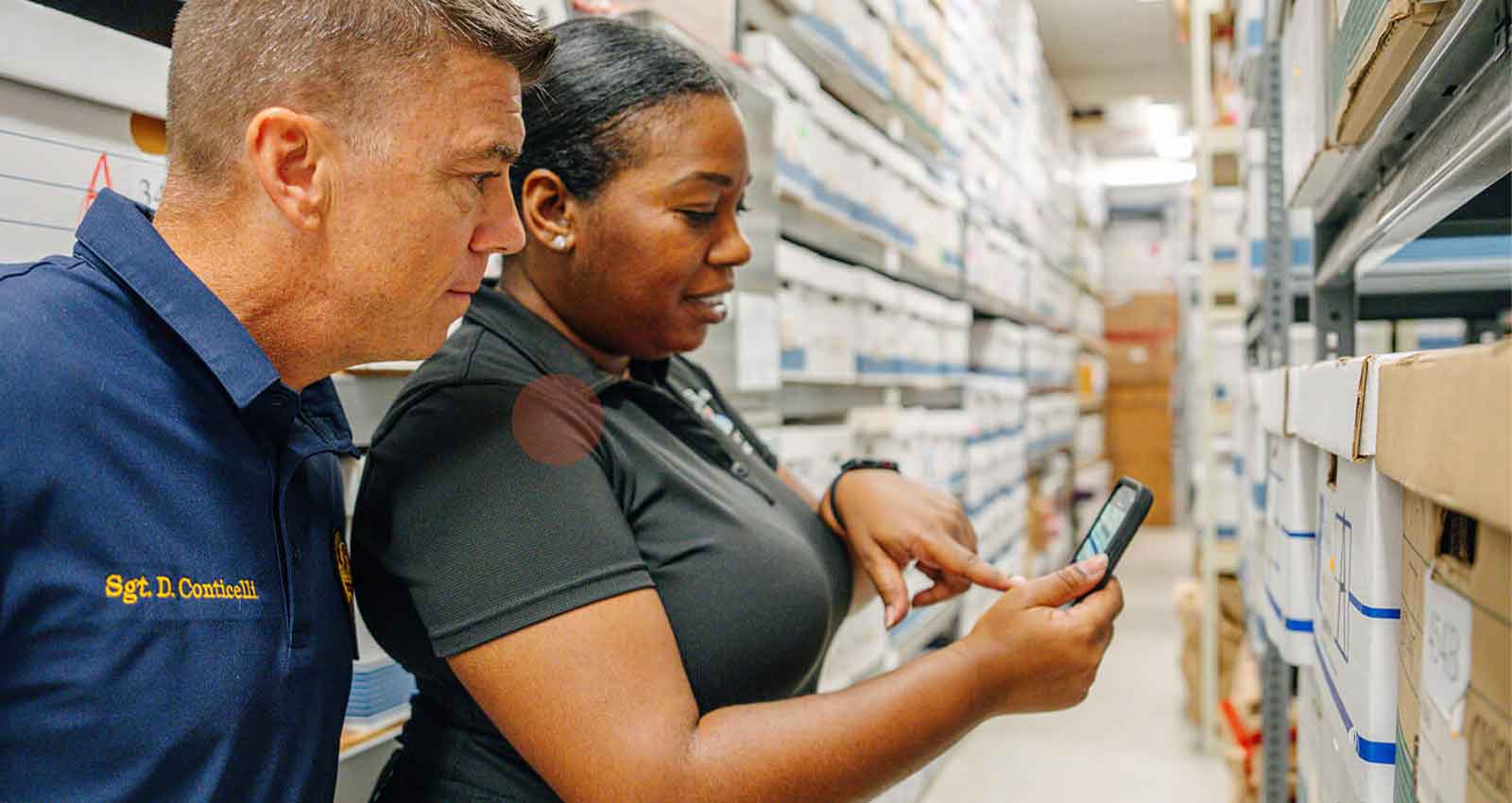
We start by sitting down with first responders and public safety professionals—our end users—to understand what makes their processes unique: their workflows, the tools they rely on, their pain points and the outcomes they are striving to achieve. These discovery sessions can help ensure the reality of customers’ day-to-day challenges is being understood, rather than simply gathering requirements.
It helps to have people who are part of your team be well-versed in the challenges being faced by customers. For us, our teams include former dispatchers and police officers. They understand agency workflows and speak the same language as our customers. While it isn’t a common approach, I’ve found that bringing engineers into these early conversations can have a significant benefit, allowing them to hear firsthand what the end user needs and, in turn, producing far stronger products.
On the customer side, discovery and co-creation involve engaging the people who use the technology every day. For our dispatch product, that’s telecommunicators and communication center supervisors. For our records management system (RMS), it includes patrol officers, investigators, records staff and crime analysts. Command staff involvement is crucial to ensure that the tools are set up to generate key insights to manage team workload, that the right user access and approval processes are in place and that analytics can inform operational decisions.
Partnering with customers is critical because no two agencies operate the exact same way. Investing the time to gather information early and revisiting feedback often ensures teams are building the right capabilities for each customer. Co-creation also gives users a sense of ownership. When users see their input reflected in the product, adoption can increase and satisfaction can grow.
Don’t just implement a solution and hope that it works. Ensuring the conversations are open and ongoing is essential to long-term success.
2. Embrace SaaS- and user-centric product design.
One of the first questions we often get asked is “How many years is this going to take?” We understand why. Arriving at the right results takes a fair amount of time and effort.
This highlights the importance of a user-centric product design process, based on deep user understanding, flexible technology, simplicity, seamless onboarding, consistency, performance, personalization, accessibility and continuous feedback loops. Following these best practices, which have been widely embraced by modern software as a service (SaaS) companies, enables organizations to arrive at the right outcomes, eliminate waste and accelerate time to market.
To harness these best practices effectively across teams requires collaboration among designers, engineers, product leaders and users to collaborate directly, unlocking rapid iteration. Bringing together all necessary stakeholders may seem daunting, especially in the case of engineers, whose time is especially valuable. But it’s well worth the time and effort. It allows everyone to share their challenges and concerns up front, align on the best path forward and continue to share and address feedback to create, test, tweak and go to launch with a solution at a pace traditional design cannot match. When people work together, feel heard and see results, it builds trust.
Traditional design has also historically faced technological barriers. On-premises servers can be slow to update and may require new infrastructure. The SaaS model, which is based on cloud technology, helps eliminate those barriers, making it possible to iterate quickly, configure intentionally, roll out new features almost instantly after release and adapt without disruption.
3. Implement for the long term by building security into every step.
Cyberattacks are increasing, and organizations are facing more complex threats, along with greater pressure to maintain resilience and ensure compliance. To ensure security is prioritized, tech leaders and their teams should commit to developing products that inherently protect against malicious cyber actors.
Conducting risk assessments to identify and mitigate prevalent cyber threats and implement robust controls to safeguard critical systems and data is a great place to start, as is understanding and embracing Secure by Design principles. This involves:
• Prioritizing customer security as a core business requirement versus a technical feature
• Implementing the principles pre-deployment during design to decrease exploitable flaws
• Including security features such as multifactor authentication, logging and single sign-on
The Bottom Line
Organizations across sectors are under pressure to modernize quickly while maintaining trust and operational effectiveness. As technology evolves rapidly, underpowered implementations can slow adoption, drain resources and weaken confidence.
Including the people who use these systems is essential for building resilient, trusted operations that deliver real impact. Feedback builds customer trust. By communicating, listening, embracing modern technology and building together, we can deliver not just new technology but real change and impact.
Original Story: https://www.forbes.com/councils/forbestechcouncil/2026/01/15/built-with-not-for-how-intentional-implementation-builds-trust-in-tech/