

Customer Story
How Rio Rancho Fire and Rescue Department Reduced Response Times and Gained Real-Time Command Visibility


Customer Story
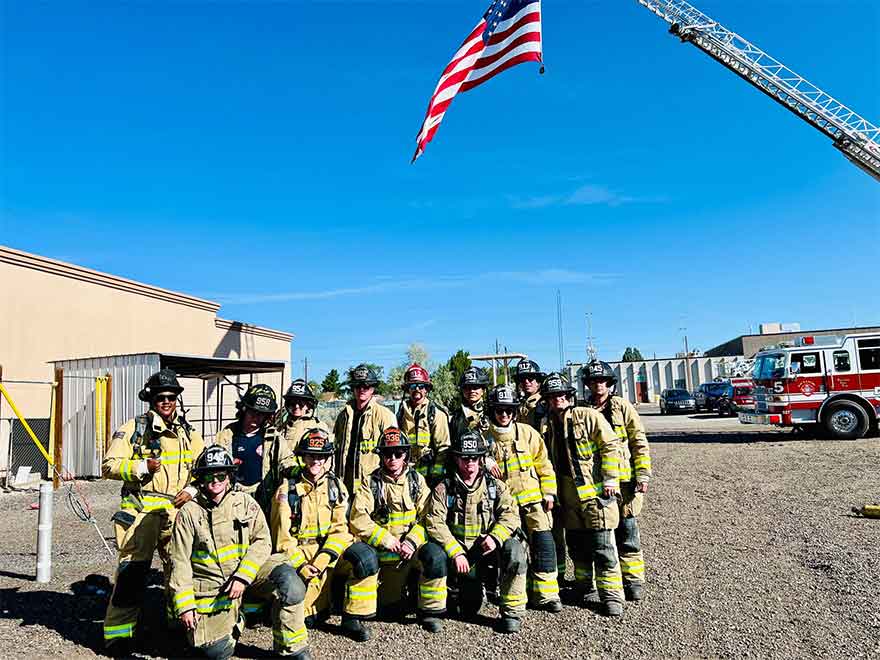
The Rio Rancho Fire and Rescue Department (RRFR) serves one of New Mexico’s fastest-growing communities. Spanning more than 100 square miles just northwest of Albuquerque, the department responds to over 15,500 calls for service annually, with call volume increasing approximately 5% each year on average.
With more than 150 fire and rescue personnel, RRFR provides fire response, advanced life support EMS transport, technical rescue, wildland response, and prevention services. As the city grows, so does the complexity of its emergency responses. Expanding commercial development and remote river corridors requires precise coordination, intelligent response planning, and modern technology for real-time situational awareness.
In an environment where seconds matter and information is constantly evolving, RRFR’s modernization journey offers a blueprint for how fire departments can leverage multidiscipline CAD to meet this new level of operational complexity with clarity and confidence.
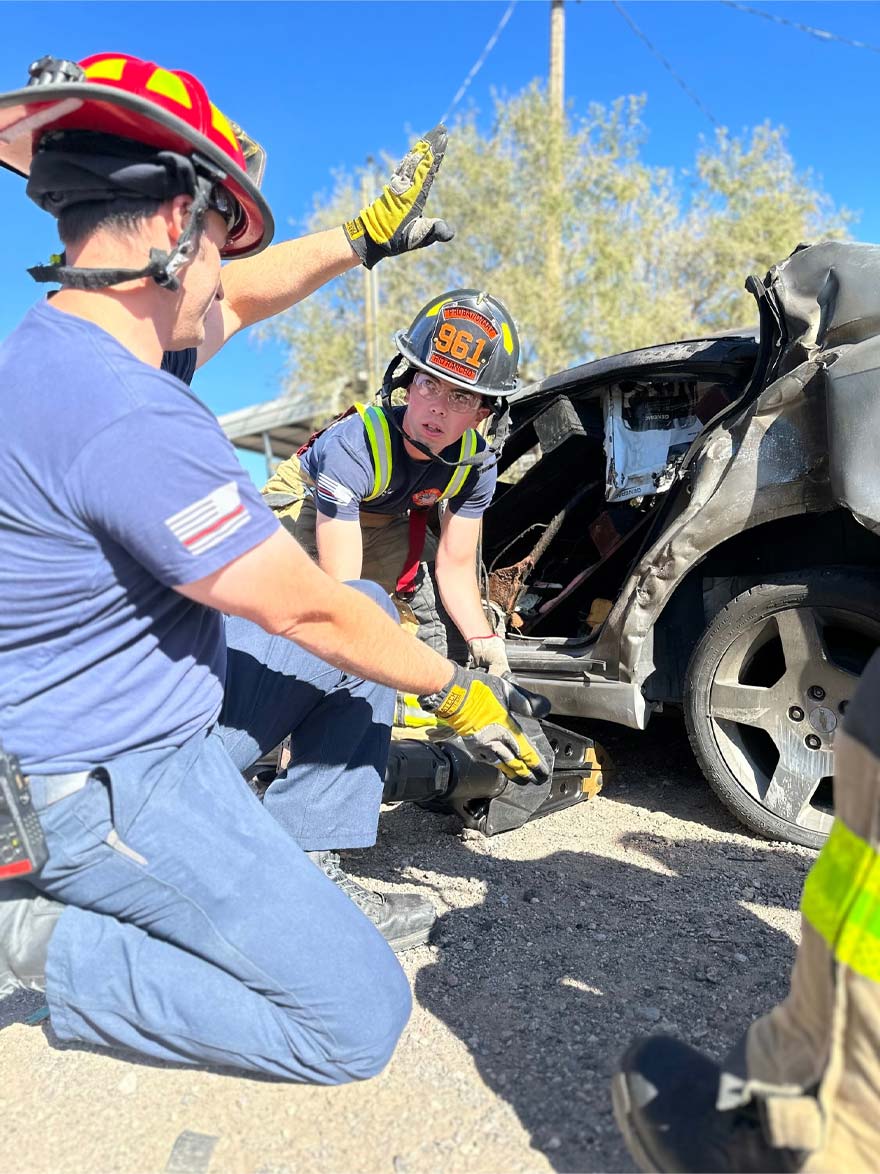
Fire response architecture presents a unique complexity and requires a CAD that can keep up with evolving needs from deploying specialty units with dynamic staffing models, cross-staffing apparatuses, to layering command structures. Managing these variables in real time increases the cognitive load for dispatchers and command staff, particularly during high-volume and multi-unit incidents.
RRFR’s previous legacy system was not keeping pace or meeting their needs. It limited flexibility, mapping integration, and dispatch abilities. Deputy Chief James Bailey shared, “One of our biggest challenges was a character limit issue within district naming. That restriction prevented us from properly capturing important dispatch characteristics. It may sound minor, but it had real administrative impact. I wasn’t able to eliminate a human-error data entry workaround, which meant our mutual aid reporting could never be completely error-free. Overall, we were extremely limited in our capabilities and dispatch agility.”
Additionally, preplans, hydrants, and critical access information were stored separately from CAD, forcing crews to toggle between different systems.
“Previously, what we used for pre-planning was a separate folder on every MDT, and the CAD wasn’t able to stitch it into the shapefile in the map layer. We would have to know where we were going and pull up a separate folder. That separation created friction during active responses.”
—James Bailey, Deputy Chief
The lack of a unified operational view meant responders had to assemble context manually instead of receiving it automatically within their dispatch workflow.
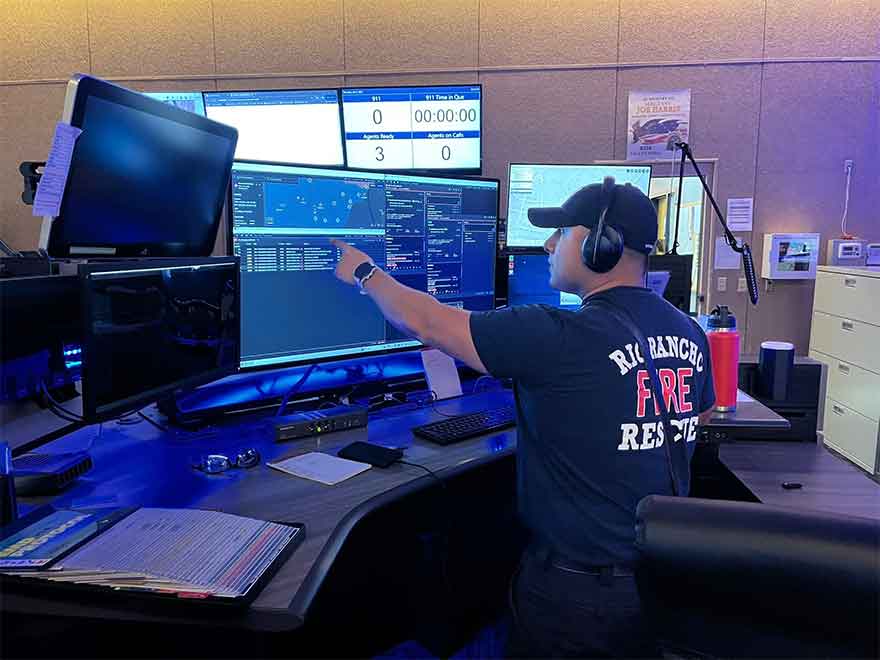
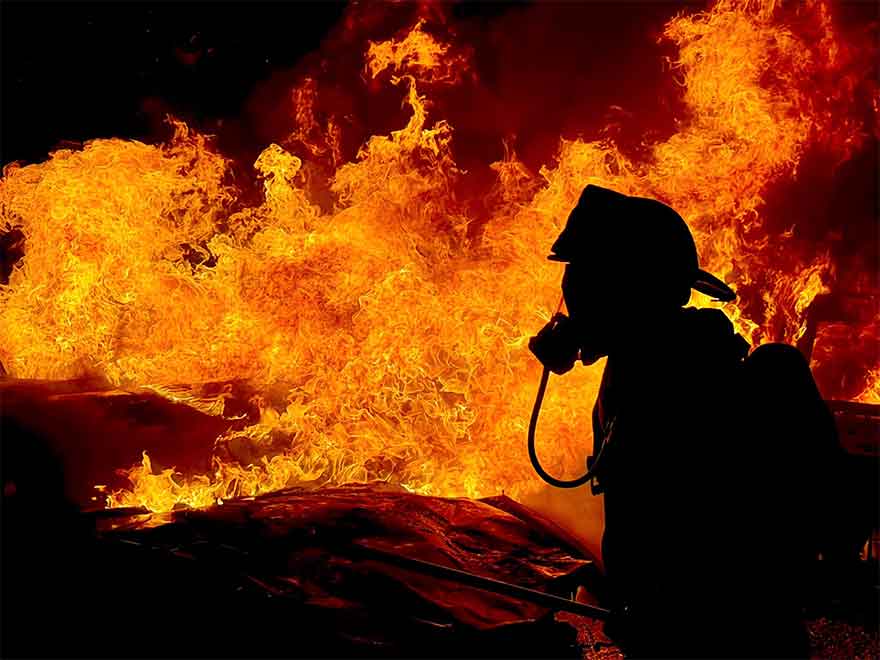
RRFR sought a modern, cloud-native CAD system capable of supporting complex fire and EMS workflows while enabling real-time configuration, intelligence, and coordination. They needed technology that could champion their best practices while keeping dispatchers and responders in control of every decision. Following a comprehensive procurement process and research period, RRFR selected Mark43 to upgrade its dispatch and response technology. “We needed a new CAD and knew we needed a new vendor because of our legacy system’s limitations. When we saw the Mark43 demo, I was more than satisfied and knew it could meet the needs of our fire and EMS teams,” said DC Bailey.
Through Mark43’s multidiscipline and configurable CAD, RRFR was able to modernize its fire-specific response architecture and plans without changing how the department operates in the field. The ability to adjust run orders, modify response logic, and refine coverage zones in real time provided leadership with greater control and flexibility than their previous system allowed.
Launching on the Mark43 system in July 2025 with CAD, OnScene, and First Responder, RRFR experienced immediate validation of the platform’s agility and reliability.
“We launched on Mark43 the week of the Fourth of July, which is one of our busiest days of the year. We caught a small problem with our run orders and run-resource patterns. I was able to jump on the phone with Mark43 and within 10 minutes configure the system to meet our needs. This kind of agility was not possible before Mark43 – having configurable technology, paired with their responsive and skilled customer support team, makes all the difference.”
—James Bailey, Deputy Chief
By consolidating preplans, hydrant data, and GIS mapping into a single operational interface, Mark43 centralized the information crews rely on during critical incidents. With mobile access through OnScene and First Responder, command staff gained immediate visibility into active calls without relying on VPN connections or fixed infrastructure.
RRFR also joined Rio Rancho Police Department on the Mark43 Public Safety Platform, creating a unified dispatch environment that supports coordinated law, fire, and EMS response across the city. Operating on one shared, multidiscipline CAD strengthens situational clarity across agencies and eliminates coordination silos.
By the numbers:
Since deploying Mark43’s multidiscipline CAD and mobile applications OnScene and First Responder, RRFR has strengthened situational awareness, responder safety, fire coordination, and greater control over how complex incidents are managed. By reducing cognitive load for dispatchers and surfacing critical context for responders, the department has increased confidence across every role and unit.
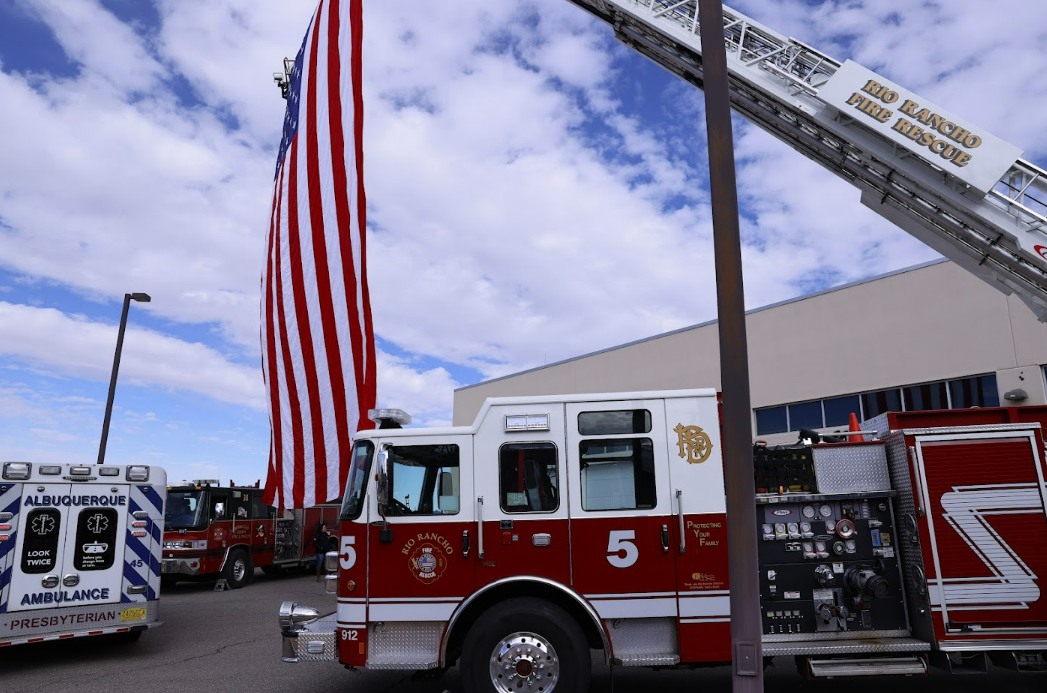
One of the most significant shifts has been access to actionable information while en route.
“As far as where the rubber meets the road for us, it’s access to critical information on the way to calls. Particularly during working structure fires where 10 to 11 units may need to respond to a single address. Having access to hydrant status, out-of-service tags, gas shutoffs, alternative entrances, and building preplans integrated seamlessly into our CAD map layers has been a gamechanger. Crews arrive with a clear operational picture. Even 30 seconds out the door, you know exactly what to expect and can prepare accordingly.”
—James Bailey, Deputy Chief
This structured delivery of information ensures that the right data reaches the right responder at the right moment.
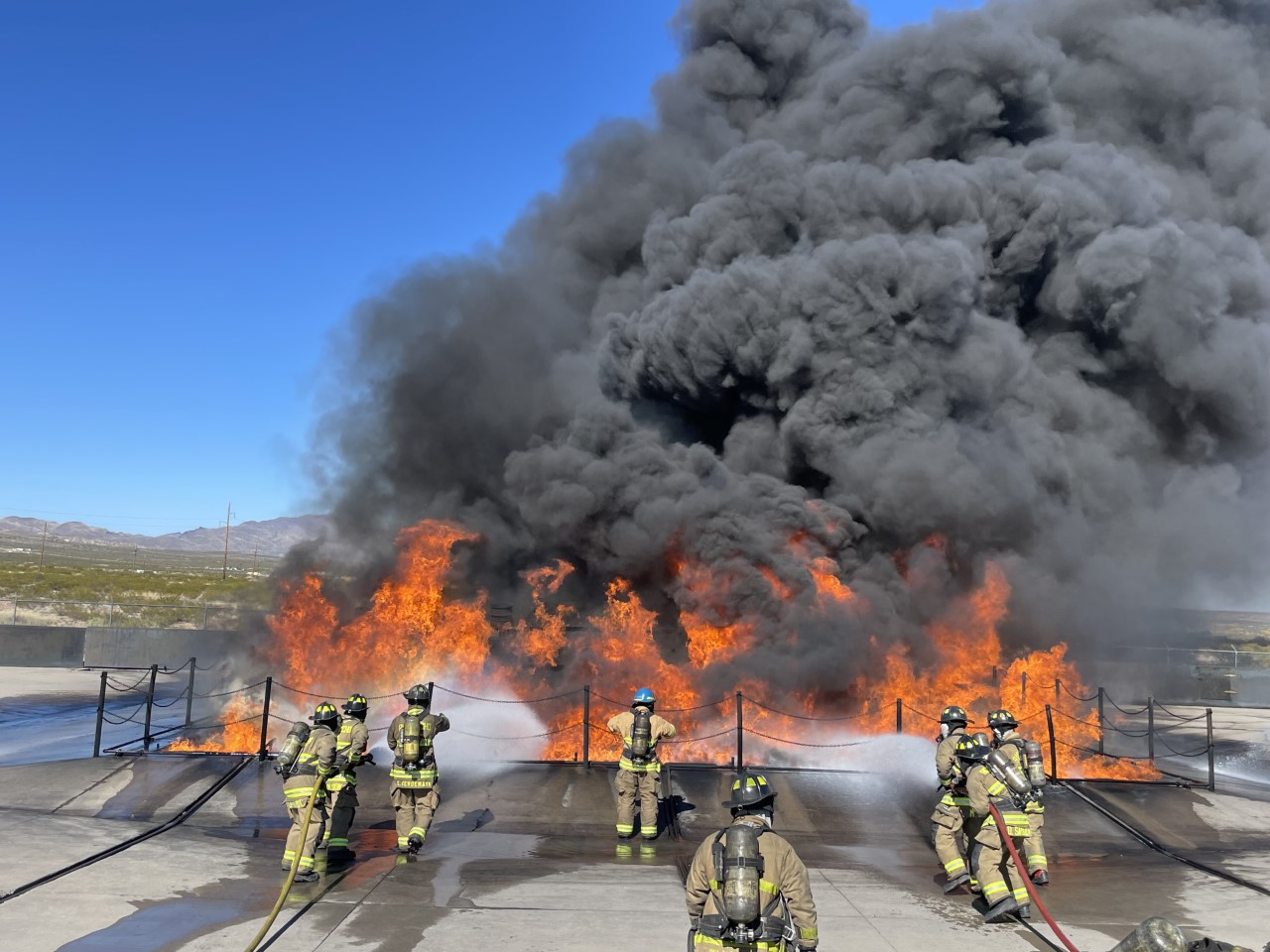
Operating within any municipal water system presents ongoing challenges.
“Hydrant performance can vary, and mainline breaks can impact our water supply strategy. Hydrants can be out of service and sometimes have variable pressures. By integrating 5,000+ hydrants and water main valve locations and data into Mark43 CAD, our incident commanders can make more informed water supply decisions. Being able to direct a third incoming unit when you have heavy water use to take a different route so we’re tapping two different water sources is a huge benefit that we didn’t have before. This has made an incredible impact during many of our big calls for service.”
—James Bailey, Deputy Chief
These integrated layers reduce guesswork and support more predictable, accountable decision-making during high-risk fire operations.
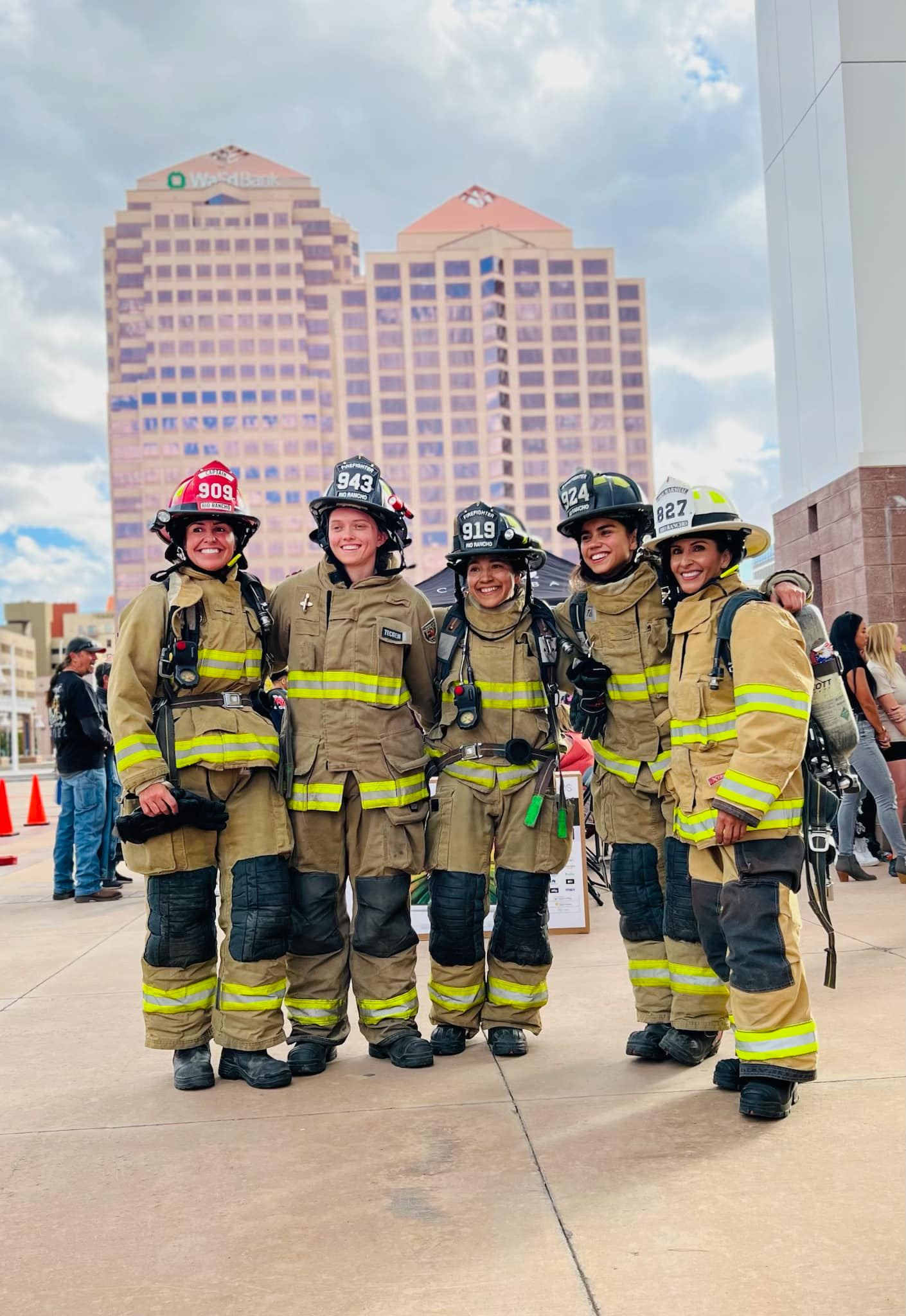
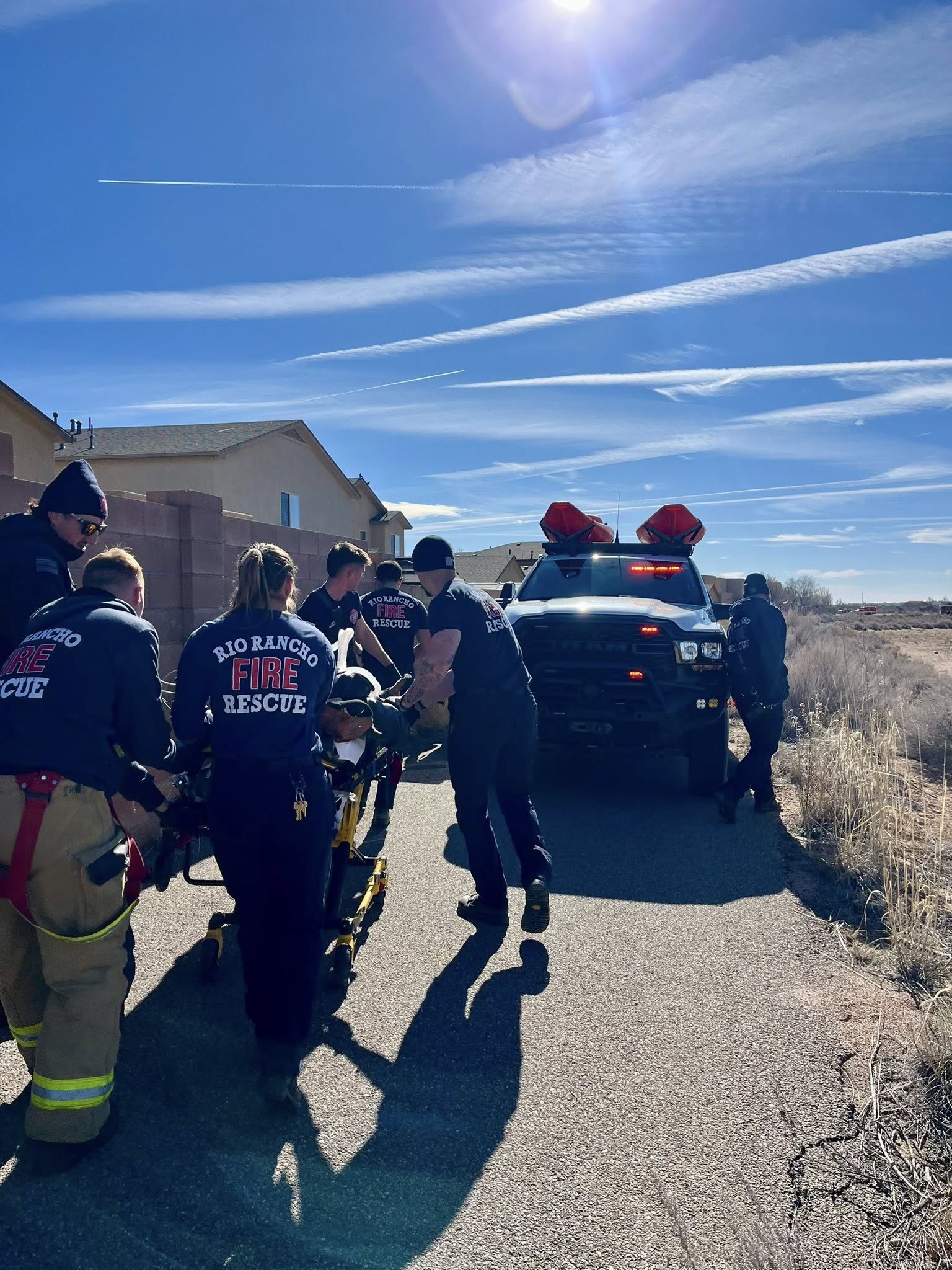
Rio Rancho’s river corridor presents unique rescue challenges, particularly during summer runoff. “People underestimate the threat. Before we transitioned to Mark43, our response was less clearly defined – different areas had different names because it abuts another agency’s district,” recalled DC Bailey.
“Now with Mark43, we are able to load that whole area into the CAD map layer with a unique preplan that lets us prescribe exactly where units are staged based on call arrival. We now have designated response points—one unit upstream with an elevated view, another downstream with throw bags, and our technical rescue team engaging directly with potential victims—being able to organize that kind of response ahead of time makes a big difference in how we manage those incidents and help citizens in danger.”
—James Bailey, Deputy Chief
Predefined staging within CAD allows RRFR to operationalize lessons learned and standardize complex rescue deployments across shifts.
Access through OnScene and First Responder has not only improved command visibility but speed to scenes.
“Previously in our old CAD I would hear a structure fire alert, and it would take me two to three minutes to be able to open and access that call. Now I can do it on my phone or computer within 5 seconds of opening Mark43. This allows command staff and leadership, who are often responding from different locations, to review assignments, routing, and response units immediately.”
—James Bailey, Deputy Chief
He added, “Our medical director really appreciates how quickly he can get into the Mark43 system and start moving to a call. This has unlocked a major operational advantage as it was virtually impossible to get him access before.” This level of mobility and access ensures leadership visibility across high-acuity and complex calls.
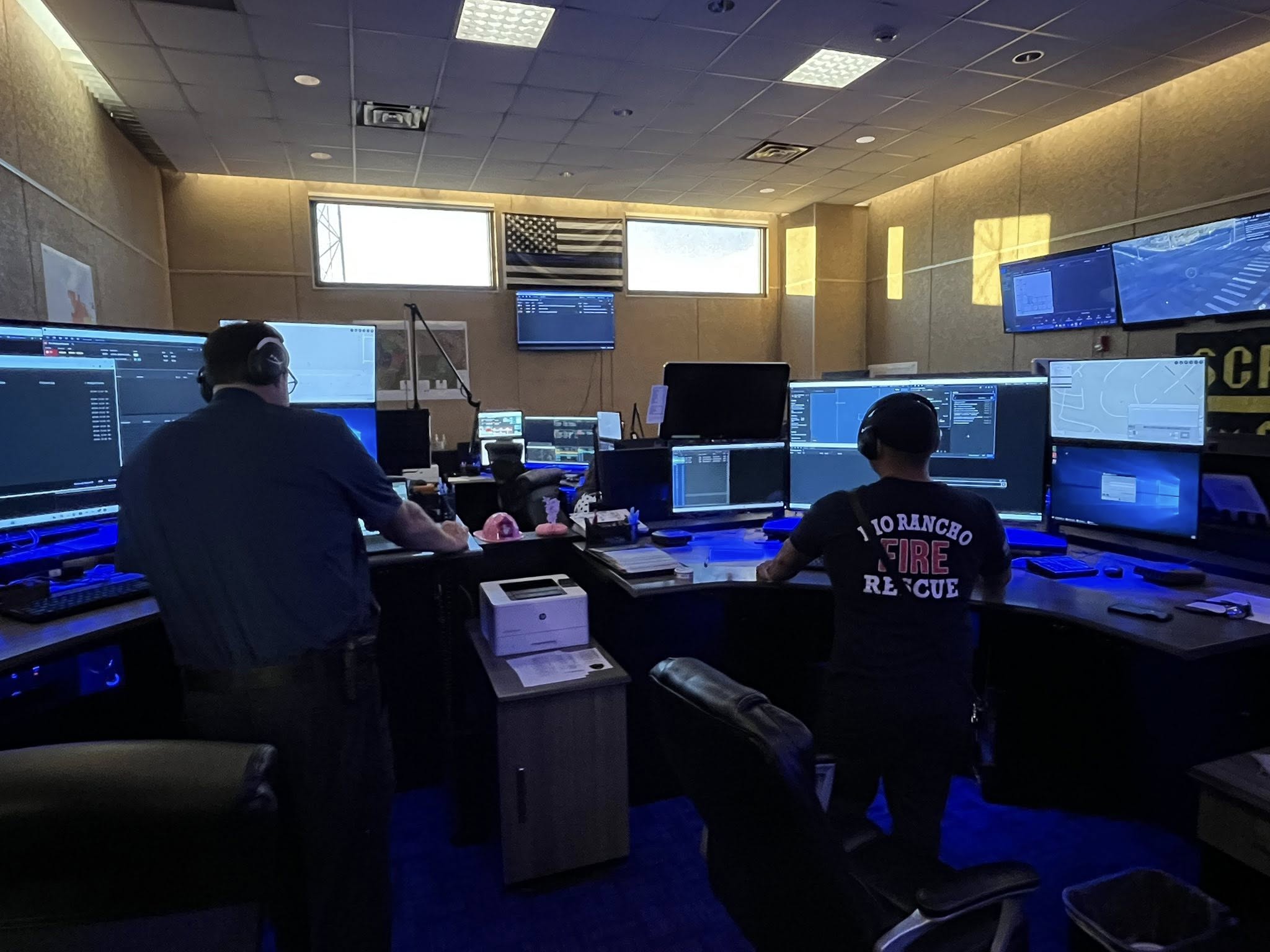
Beyond field operations, Mark43 has reduced administrative friction that previously burdened dispatch and responding personnel, particularly during CAD or network outages.
“During previous outages, calls wouldn’t always flow cleanly into reports. If an issue crossed a shift boundary, officers who would normally rely on downloaded CAD information either had to wait for the export or create the call from scratch and manually pull details from our CAD Status Monitor to complete their reports. In some cases, delays compounded. If an issue wasn’t resolved, responders could return to 10-15 additional calls requiring manual reconciliation, adding 30-60 minutes of extra administrative work at the start of a shift.”
—James Bailey, Deputy Chief
With Mark43, call information flows in real time within a resilient, cloud-native system designed for continuity. Dispatchers, officers, and command staff no longer face outage-driven workarounds, allowing them to focus on operations instead of administrative recovery. Transparent, auditable workflows also provide leadership with greater accountability and confidence in their reporting.
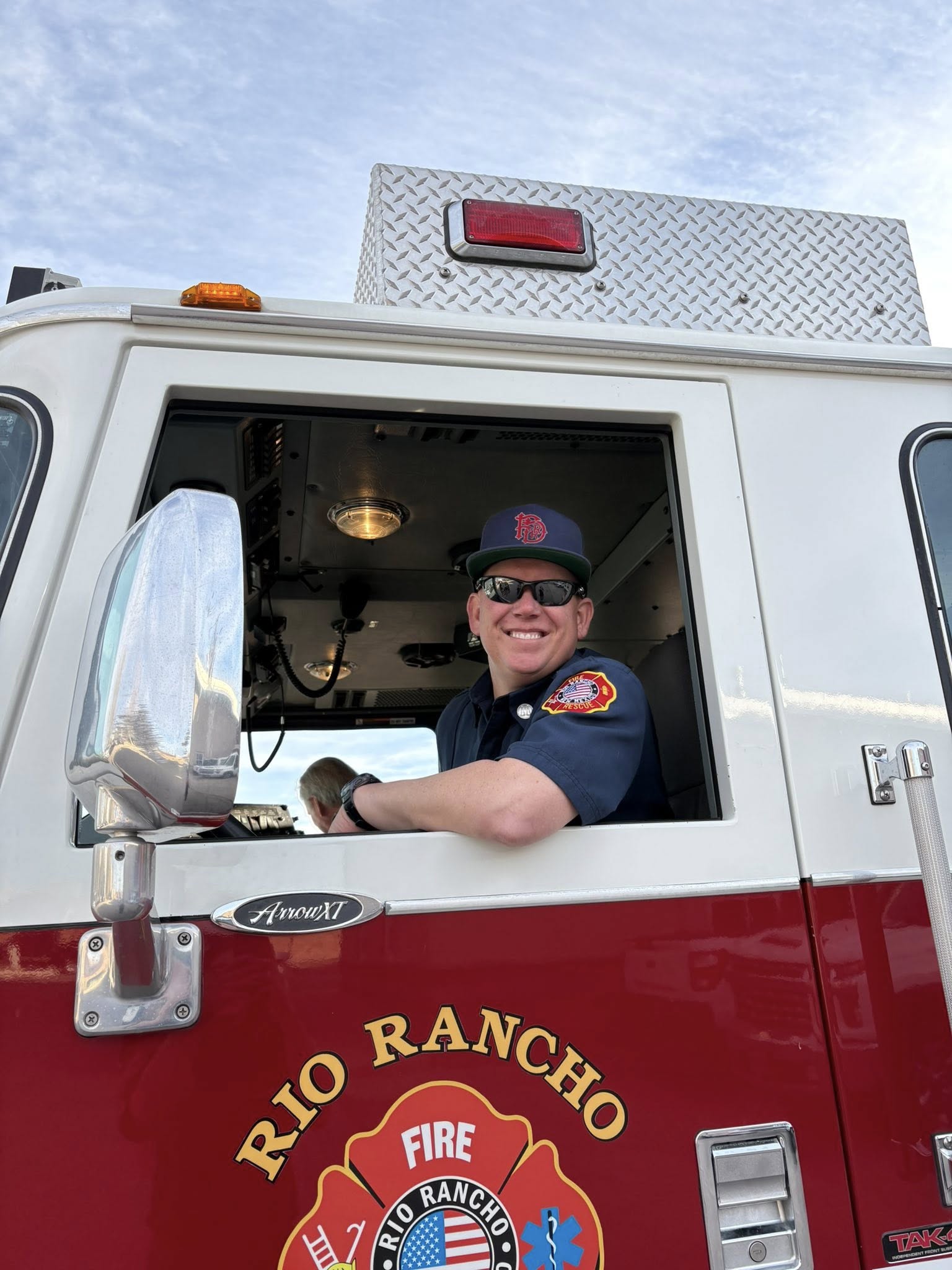
Operating on the same platform as Rio Rancho PD has improved cross-agency coordination and response.
“Police and fire often respond together and having system familiarity is huge. Everyone knows the nomenclature and call types needed to get us on the same page and to the scene together. Shared visibility into call information helps both departments anticipate needs before arrival on scene and streamline response, particularly during high-risk incidents.”
—James Bailey, Deputy Chief
As Rio Rancho continues to grow and call volume increases, the department is equipped with a unified, cloud-native platform that supports safer, more predictable emergency response across every incident type. “Mark43 has improved our operations enormously. It makes all the difference in the world,” said DC Bailey. With Mark43, Rio Rancho Fire and Rescue Department is prepared to scale fire and EMS operations while maintaining clarity, control, and responder safety.
Mark43 is the trusted leader in public safety technology, providing a secure, all-in-one platform for agencies to save time, stay compliant, and ensure community safety.