At Mark43, we don’t just build software. We build technology that officers and first responders rely on for their essential work every single day. The company is undergoing some of its largest implementations with customers across the US and UK, product innovations and developments, while opening offices in Manchester and Boston.
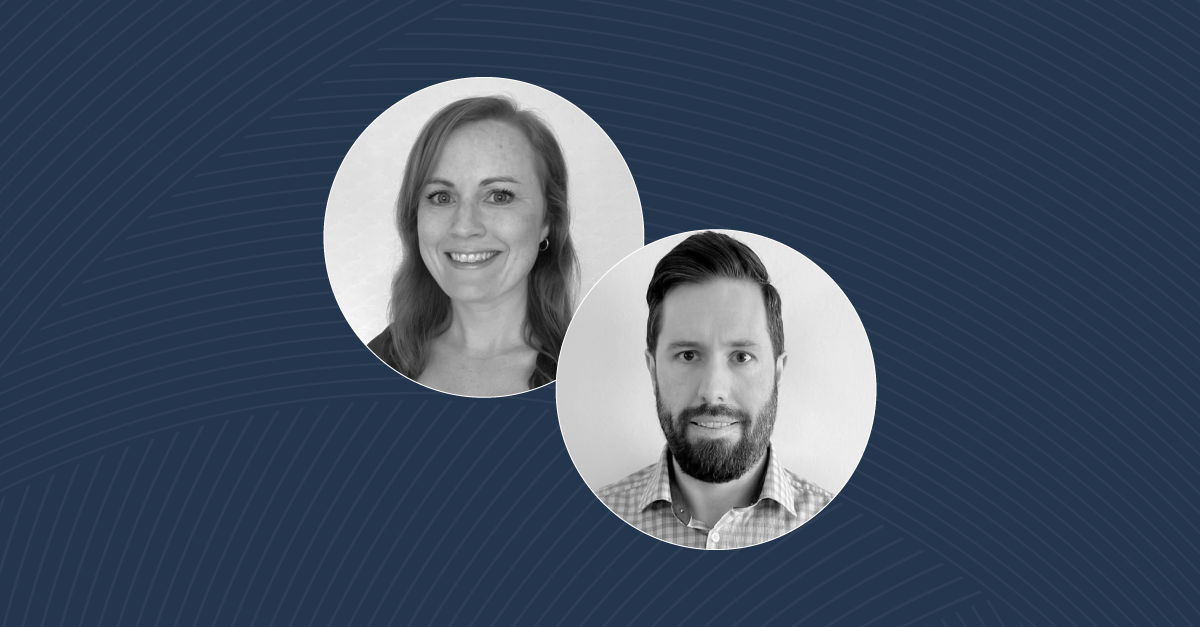
Engineers Emma Denney and Dave Carlson joined Mark43 during this period of momentum. Emma is a Software Engineer in Manchester working on Mark43 Booking and Dave is a Front-End Developer in Boston working on Mark43 Computer-Aided Dispatch (CAD) and First Responder application. Hear from each of them on why they joined Mark43 and how they are making an impact.
Here are their key takeaways:
Why Mark43
Emma: I joined Mark43 in July 2025, at what felt like a truly defining moment for the company’s growth in the UK. What initially drew me in wasn’t just the technology, it was the interview process itself. From the very beginning, Mark43 focused on what I bring to the table as a person, not just a list of technical skills. The conversations were thoughtful, mission-driven, and rooted in shared values. Joining the UK team shortly after launching our first UK customer and kicking off our partnership with Greater Manchester Police has made the work feel immediately meaningful. Knowing that what I’m building today will directly support forces like GMP makes the impact feel close to home, literally.
Dave: Before joining Mark43 as a hybrid employee out of the Boston office in September 2025, I worked in commercial real estate, so joining public safety tech was a big shift. But I was looking for work that mattered. Being able to step into a role where the software is live, scaling, and relied upon every day has been incredibly motivating. It feels like joining a team right as the stakes, and the opportunity to make an impact, are at their highest.
Building New Hubs During Active Growth, Across Time Zones
Emma: One of the biggest advantages of working at Mark43 is the ability to work hybrid while still being part of an in-person team. Mark43 is a primarily remote-first company, so cross-time-zone collaboration already works really well. The tools and processes are there, and the culture is established where you can and should speak to anyone across the company when you need help or context. There are no walls between teams.
Being surrounded by other engineers in the Manchester office, while working on software that is being actively used by our customers, has made a huge difference for me. It’s easier to ask questions, talk through problems, and learn faster when you’re sitting next to people building the same systems.
The office culture here has been thoughtfully built, starting with hiring. There’s a lot of care put into who joins the team, and that is apparent every day. As someone relatively junior, joining during such an active phase could have felt intimidating, but instead it’s been empowering. Being in the office makes it feel completely normal to ask for help, which has helped me grow and contribute much more quickly.
Dave: Boston feels similar to Manchester in that we’re not just filling desks. Being part of a brand-new physical hub while contributing to large-scale implementations gives the work a strong sense of urgency and ownership. With over 15 Massachusetts agencies including the Boston Police Department, you’re not just watching growth happen from the sidelines. You’re actively helping create it—and close to home.
Being part of the Boston office has made forming real relationships much easier. Conversations are natural, collaboration is faster, and in-person connections make cross-time-zone work smoother overall.
Engineering Culture: Trust, Autonomy, and Intentional Design
Emma: What surprised me most is how quickly engineers are trusted. I was able to take ownership early and contribute to real customer-facing work almost immediately. Leadership is open to new ideas regardless of your level, which matters even more when you’re building systems that are actively being adopted. That trust has made me feel confident speaking up and proposing better ways of doing things.
Dave: The documentation culture really stands out, especially when you’re working at this scale. With so many implementations happening at once, having clear, intentional documentation and processes helps ensure quality and consistency. It’s refreshing and critical when the software you’re building is being used in real time by first responders.
Seeing the Impact of Mission-Critical Work in Real Time
Emma: Even though I’m not customer-facing day to day, the impact of the work is still very real. I’ve worked on Booking features that were requested directly by forces like Cumbria, and seeing those requests move through the system, get implemented, and receive positive feedback reinforces why this work matters. Working on mission-critical systems has changed how I think as an engineer. I’m more intentional, more thoughtful, and more aware of the broader impact my work can have. It gives the work a sense of purpose that I haven’t experienced elsewhere.
Dave: Getting the chance to visit a customer onsite for a ride-a-long was a turning point for me. Sitting with dispatchers and officers using CAD and First Responder made the impact immediate and tangible. There’s nothing quite like watching someone rely on a feature and realizing, “I worked on that this week.” Moments like that change how you approach the work. You think more carefully about usability, performance, and testing because the software is live and people depend on it to do their jobs well. The software we work on helps keep people safe and supports communities every day, often in moments that really matter. That responsibility raises the bar and makes the work incredibly meaningful.
Projects That Reflect the Moment
Emma: One project that really captures why this moment is so exciting was my work on detainee event logs within Booking for Cumbria. It wasn’t a flashy feature, but it was essential. The goal was to ensure a complete and exportable picture of data that could be used for courts and audits. It was directly requested by the customer, and seeing it land successfully made it especially meaningful. That experience sums up why now is such a powerful time to join Mark43 in the UK. You’re not joining to maintain something that’s done evolving. You’re helping build, configure, and iterate systems as they’re being adopted.
Dave: A project that stands out for me was building Light Mode for CAD and First Responder, which had previously only been available in Dark Mode. It’s a significant user experience improvement, especially for officers using the software in daylight conditions. The project touched nearly every part of the application, and seeing customers get excited about it during demos has been incredibly energizing. That kind of work is possible because of where Mark43 is right now. In Boston, we’re building an engineering hub while supporting first responders across the region. You’re not just writing code, you get to help define what the future of these modern technology looks like.
Growing, Learning, and Making Your Mark at Mark43
Emma: In just a few months at Mark43, I’ve already been given increasingly complex work and exposure to parts of the process I hadn’t experienced before. It’s clear that responsibility grows with you here, especially as implementations continue to scale. What’s made that growth possible is the environment. Working in the Manchester office, asking questions freely, and learning from the people around me has made a huge difference. The relationships I’ve built here have been one of the most rewarding parts of the job.
Dave: As the Boston office grows, real leadership opportunities are emerging alongside the work. I’m stepping into a tech lead role on an upcoming project, and I’m excited to help shape both the technical direction and how the team operates. I love building things that ship directly into the real world and gets used daily by people doing critical jobs. That makes the work more interesting and the growth more motivating.
Looking Ahead
Emma and Dave say it best: there couldn’t be a better time to join the team.
If you want to build something that will last, explore our open hybrid roles in the US and UK on our Careers Page.